High-Density Embroidery vs. Chenille Embroidery: Production Differences, Fabric Requirements, and Quality Control
- Share
- publisher
- 11
- Issue Time
- Nov 26,2026
Summary
Learn the production differences between high-density embroidery and chenille embroidery for custom streetwear. This guide explores stitch density, embroidery structures, fabric compatibility, digitizing, common production defects, and quality control. Discover how professional clothing manufacturers develop durable embroidered logos for hoodies, sweatshirts, jackets, and other apparel, and how Chanjoye integrates embroidery techniques with complete OEM and ODM garment manufacturing.
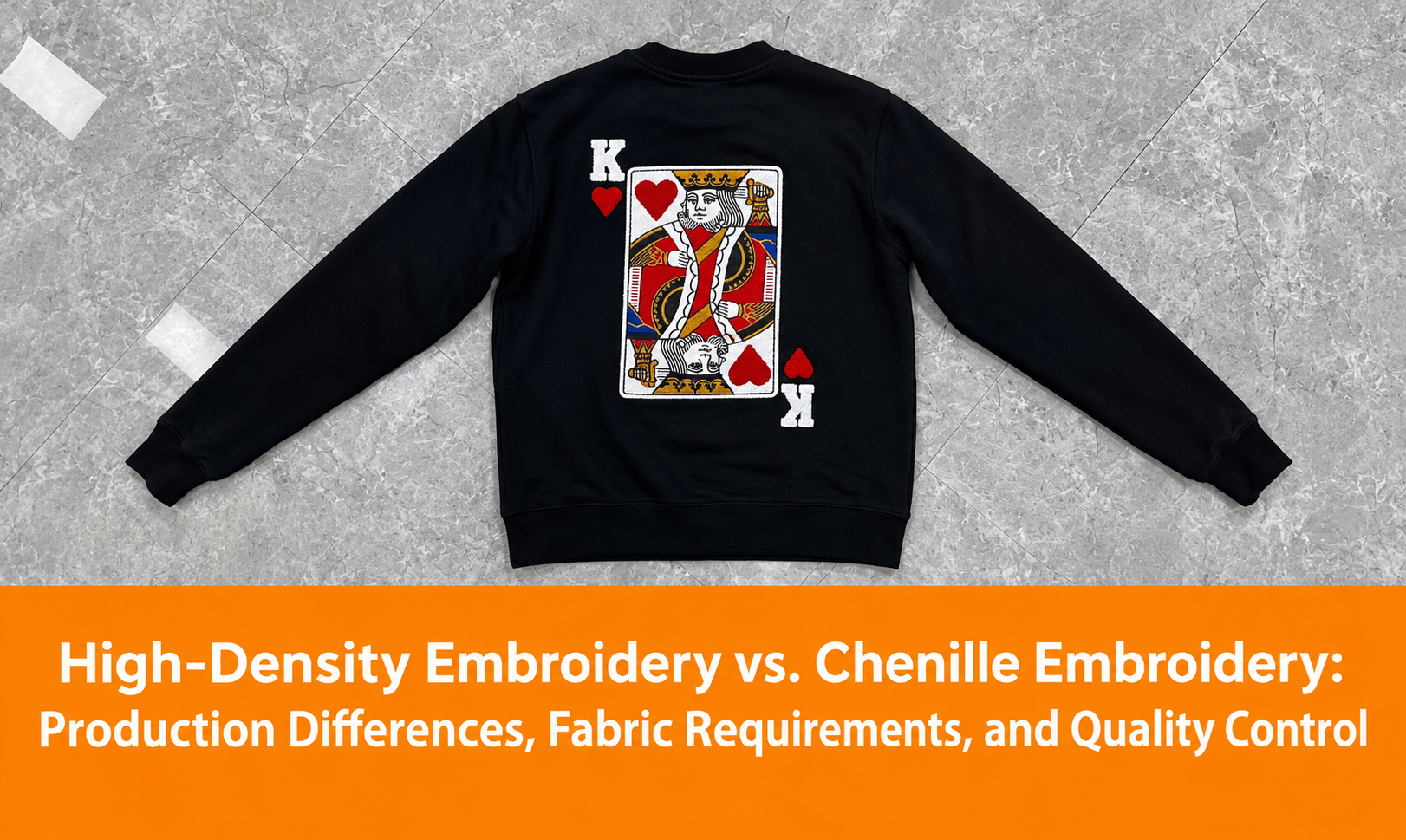
Introduction: Why Are High-Density Embroidery and Chenille Embroidery Popular in Streetwear?
In modern streetwear design, embroidery is no longer just a simple way to decorate a brand logo. It has become an important manufacturing technique for creating distinctive textures, dimensional effects, and stronger brand identities. More streetwear brands are incorporating high-density embroidery and chenille embroidery into hoodies, sweatshirts, varsity jackets, and other apparel to achieve more sophisticated visual details.
Although both techniques can create dimensional decorative effects, they differ significantly in stitch construction, thread usage, production methods, and fabric compatibility. High-density embroidery focuses on stitch coverage, graphic definition, and detailed execution, while chenille embroidery creates a soft, fluffy surface through its distinctive looped yarn structure.
For clothing brands, understanding these manufacturing differences is essential. Choosing an unsuitable embroidery technique may result in unclear graphic details, fabric puckering, excessive stiffness, or even problems with the garment's overall structure and wearing comfort.
As a professional streetwear clothing manufacturer, Chanjoye considers more than just the appearance of an embroidered logo. Our manufacturing approach takes fabric construction, garment design, embroidery techniques, and the complete production process into account. This guide explores the production differences, technical requirements, common defects, and quality control methods involved in high-density and chenille embroidery.
1. What Is High-Density Embroidery? Key Characteristics of Its Manufacturing Process
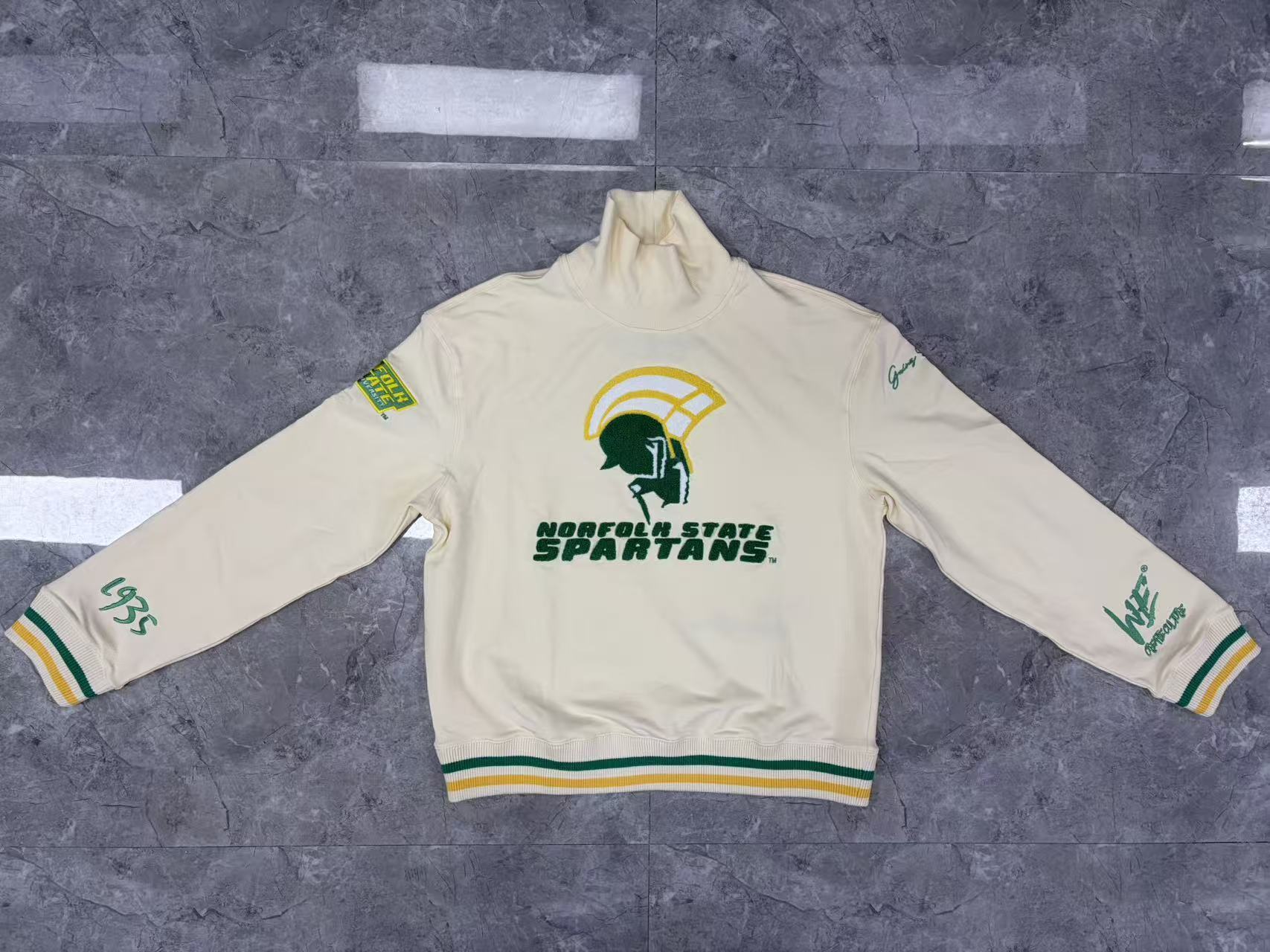
High-density embroidery is a decoration technique that creates a compact, full, and sometimes raised surface by increasing stitch coverage in selected areas of a design. Compared with conventional flat embroidery, it generally provides stronger thread coverage, clearer outlines, richer textures, and more noticeable visual details.
In garment manufacturing, high-density embroidery typically involves converting digital artwork into a machine-readable stitch file using professional embroidery digitizing software. Stitch direction, stitch spacing, underlay construction, and pull compensation are then adjusted according to the fabric and artwork requirements.
Key Technical Characteristics of High-Density Embroidery
1. Higher Stitch Coverage
High-density embroidery uses closely arranged stitches to reduce the visibility of the base fabric through the embroidered design. This makes it suitable for solid brand logos, lettering, and graphic elements that require a full surface appearance.
2. More Defined Graphic Edges
A properly developed stitch structure allows manufacturers to control the outer contours of a design, creating cleaner lettering, geometric shapes, and recognizable brand symbols.
3. Potentially Raised Surface Effects
By combining different stitch types, thread thicknesses, and underlay structures, manufacturers can create embroidery with a slightly raised appearance, adding more depth to the garment.
4. Higher Requirements for Digitizing and Production Settings
High-density embroidery is not simply about increasing the stitch count. Excessive stitch density can cause fabric distortion, stiffness, and localized puckering. Production parameters must therefore be adjusted according to the actual fabric and artwork structure.
Which Garments Are Suitable for High-Density Embroidery?
Heavyweight T-shirts: Suitable for chest logos, small lettering, and localized decoration.
Custom Hoodies: Ideal for brand logos on the chest, sleeves, and back.
Sweatshirts: Suitable for lettering, numbers, and decorative brand graphics.
Jackets: Useful for emblems, brand symbols, and detailed decorative designs.
For streetwear brands looking to highlight refined logos and clearly defined graphic details, high-density embroidery is an effective decoration option to consider.
2. What Is Chenille Embroidery? How Does Its Construction Differ from Regular Embroidery?
Chenille embroidery is a decorative technique that creates a soft, raised, and fluffy surface through a special looped yarn structure. Its most distinctive feature is its textured appearance, which resembles the surface of a towel. Compared with traditional flat embroidery, it provides a more noticeable tactile and vintage-inspired effect.
Chenille embroidery is frequently used in American collegiate-style apparel, varsity jackets, vintage hoodies, and streetwear garments featuring large brand lettering.
Main Production Structures of Chenille Embroidery
1. Moss Stitch
Moss stitch is an important stitch structure used to create the looped surface of chenille embroidery. It produces raised yarn loops that give the design its characteristic soft and fluffy appearance.
2. Chain Stitch
Chain stitch is often used for outlining and decorative edging. It can improve the structural definition and visual clarity of chenille designs.
3. Base Fabric
For chenille designs developed as separate patches, a base material provides additional support and helps maintain the shape of the finished decoration.
4. Edge Finishing
Chenille patch edges require appropriate finishing to reduce loose yarn, fraying, and uneven edges during garment use.
Why Is Chenille Popular in Streetwear?
The biggest advantage of chenille embroidery is its distinctive texture and visual impact. Large letters, brand initials, numbers, and emblems can achieve a noticeable three-dimensional effect through its looped construction.
However, chenille is not suitable for every artwork style. Very small lettering, narrow lines, and complicated internal details may lose clarity because of the pile structure. Manufacturers should therefore evaluate artwork dimensions, line thickness, and overall construction before starting production.
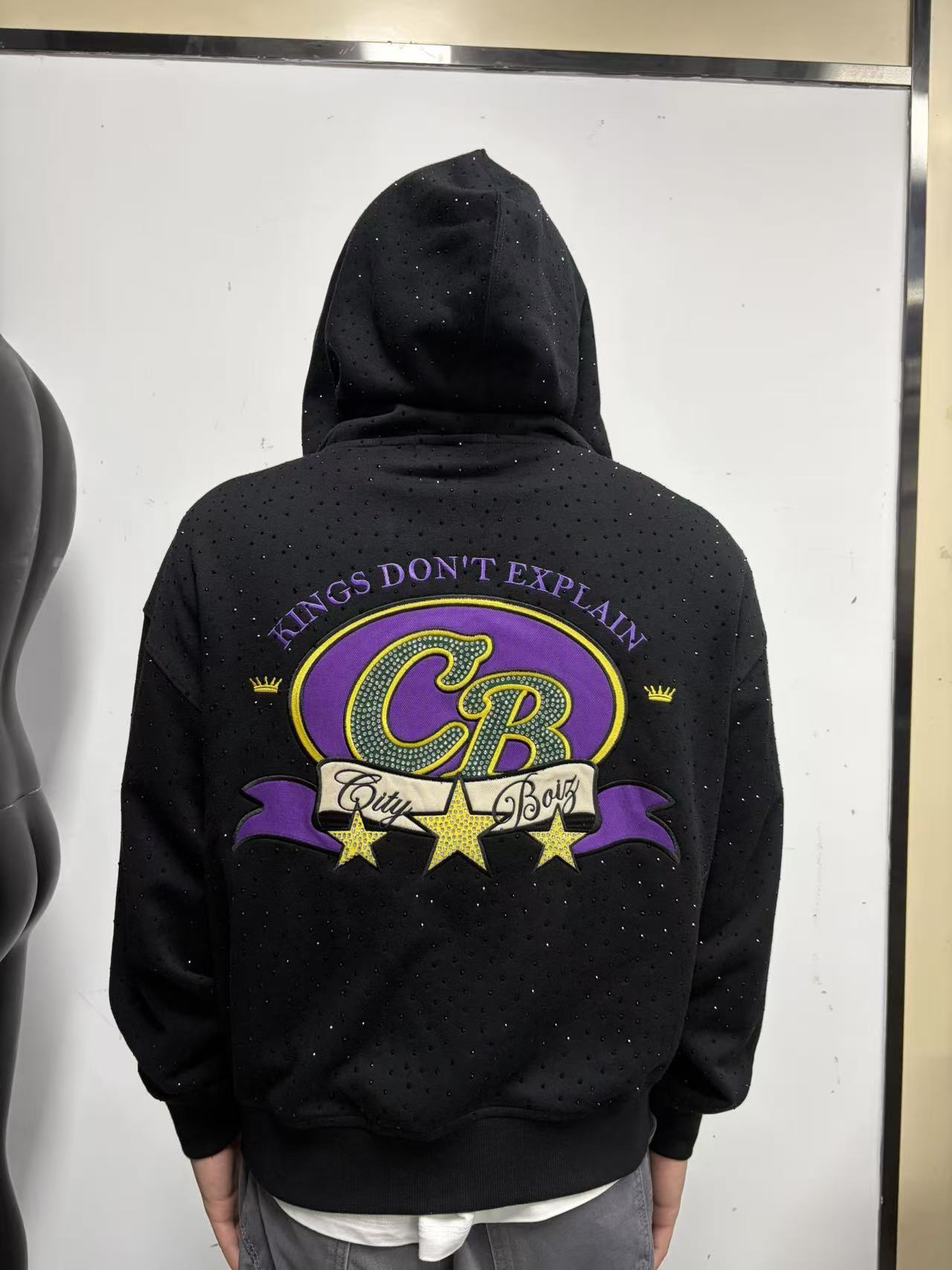
3. What Are the Production Differences Between High-Density Embroidery and Chenille Embroidery?
Although both embroidery techniques can be used in streetwear manufacturing, their production requirements are different. Brands should consider artwork appearance, construction methods, and garment applications when selecting a decoration technique.
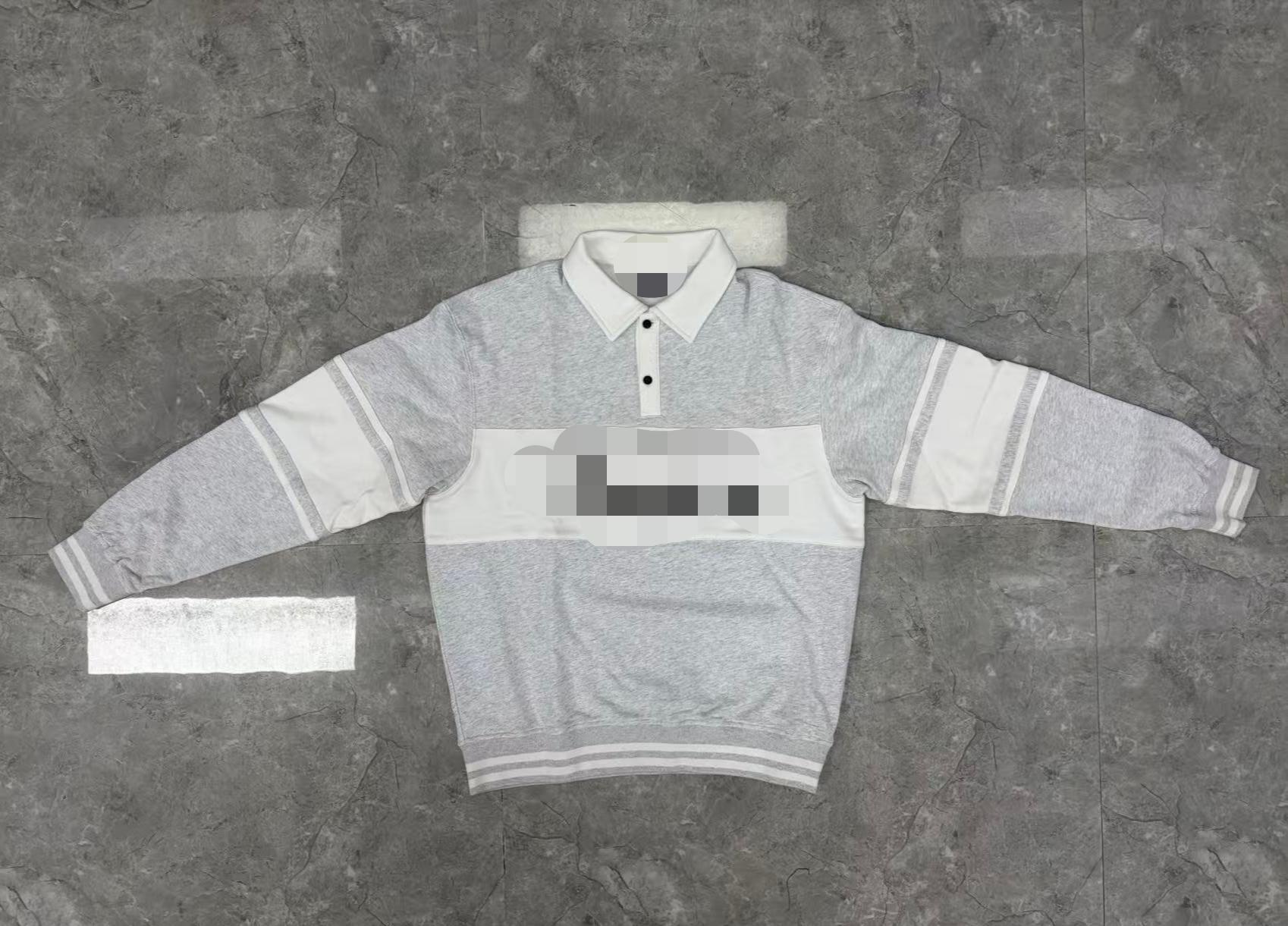
| Comparison | High-Density Embroidery | Chenille Embroidery |
Main construction | Closely arranged embroidery stitches | Raised looped yarn structure |
| Surface appearance | Dense, defined, and refined | Soft, thick, and dimensional |
| Suitable artwork | Text, logos, and detailed graphics | Large letters, numbers, and emblems |
| Detail performance | Better for relatively fine details | Better for bold shapes and larger designs |
Production focus | Stitch density, tension, and digitizing | Pile height, edges, and construction |
Common applications | T-shirts, hoodies, and jackets | Varsity jackets, hoodies, and sweatshirts |
Which Technique Is Better for Complex Logos?
If a logo includes small lettering, fine lines, and intricate graphic details, high-density embroidery is generally better suited to preserving those elements.
If the artwork mainly consists of large letters, numbers, or simple graphic shapes, chenille can provide a more distinctive raised texture.
For designs combining large decorative elements with fine lettering, hybrid embroidery is another option. For example, chenille can be used for the main lettering, while conventional embroidery defines the outlines and smaller text.
This combination can preserve the dimensional appearance while improving detail clarity. However, the final construction should always be evaluated through an actual sample.
4. How Do Embroidery Digitizing and Stitch Density Affect Final Garment Quality?
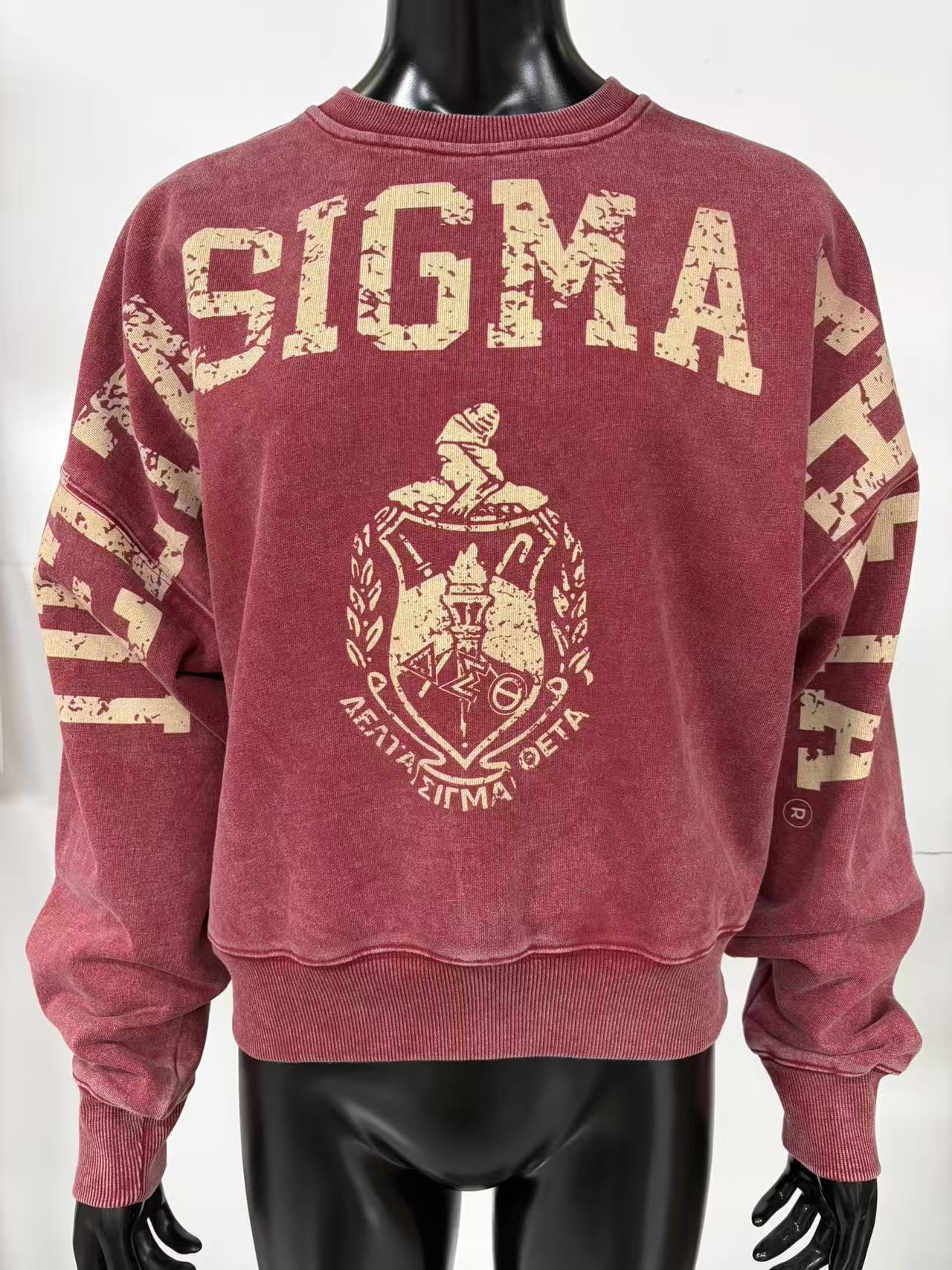
Embroidery digitizing is an essential stage in garment embroidery production. Its main purpose is to convert digital artwork into a stitch file that embroidery equipment can execute while defining the appropriate stitch construction for the actual manufacturing conditions.
Even when a design looks perfectly clear on a computer screen, it does not mean that it can be directly reproduced through embroidery. Thread, fabric, machine settings, and artwork dimensions all influence the final result.
4.1 Stitch Density Control
Stitch density determines how closely stitches are arranged within an embroidered area.
Insufficient density may expose the base fabric and affect graphic coverage. Excessive density may increase tension on the fabric, causing puckering, stiffness, or distortion.
A professional clothing manufacturer must therefore adjust stitch density according to artwork dimensions, fabric thickness, and embroidery construction rather than applying identical settings to every design.
4.2 Underlay Construction
Underlay refers to the supporting stitches beneath the visible embroidery. It helps stabilize the fabric and improve the coverage of the top stitches.
Different fabrics and embroidery structures require different underlay settings. Proper underlay design is particularly important when working with knitted fabrics that have a degree of stretch.
4.3 Pull Compensation
During embroidery, thread tension can cause the fabric to move or contract slightly. Pull compensation adjusts the artwork dimensions during digitizing to reduce differences between the original design file and the finished stitched result.
4.4 Stitch Direction
Stitch direction affects both the visual texture and the tension applied to the fabric during embroidery.
For larger lettering and graphic designs, arranging stitch directions appropriately across different sections can improve surface appearance and reduce localized tension problems.
4.5 Thread Tension
Excessive or insufficient thread tension can affect embroidery consistency. Incorrect settings may result in uneven stitches, visible bobbin thread, or loose-looking graphic surfaces.
For this reason, machine adjustment and continuous production inspection are equally important.
5. How Do Different Fabrics Affect High-Density and Chenille Embroidery?
Embroidery techniques and fabric properties are closely connected. Fabric thickness, elasticity, density, and surface construction all influence embroidery stability, graphic clarity, and wearing comfort.
5.1 Cotton Knitted Fabric
Cotton knitted fabrics are widely used for T-shirts and sweatshirts. Their softness and comfort make them popular choices for streetwear production.
However, knitted fabrics have a certain degree of stretch. High-density embroidery may therefore create localized fabric tension. Suitable stabilizers and stitch settings should be selected according to the fabric construction.
5.2 French Terry
French terry is widely used for hoodies and sportswear. It generally features a relatively smooth outer surface and a looped structure on the inside.
When applying embroidery to French terry, manufacturers should pay particular attention to fabric stretch, embroidery stability, and the effect of backing materials on wearing comfort.
5.3 Fleece Fabric
Fleece is commonly used for winter sweatshirts and heavyweight hoodies. Its brushed interior may affect the comfort of the embroidery backing, while its surface construction also requires attention to prevent uneven embroidery results.
5.4 Denim Fabric
Denim generally has a relatively stable woven construction, making it suitable for brand emblems and larger decorative graphics.
However, embroidery on heavyweight denim requires consideration of needle compatibility, artwork dimensions, garment construction, and subsequent washing processes.
It is important to understand that GSM alone cannot determine whether a fabric is suitable for embroidery. A professional clothing manufacturer must also evaluate fiber composition, fabric construction, elasticity, and decoration area before confirming a suitable production method.
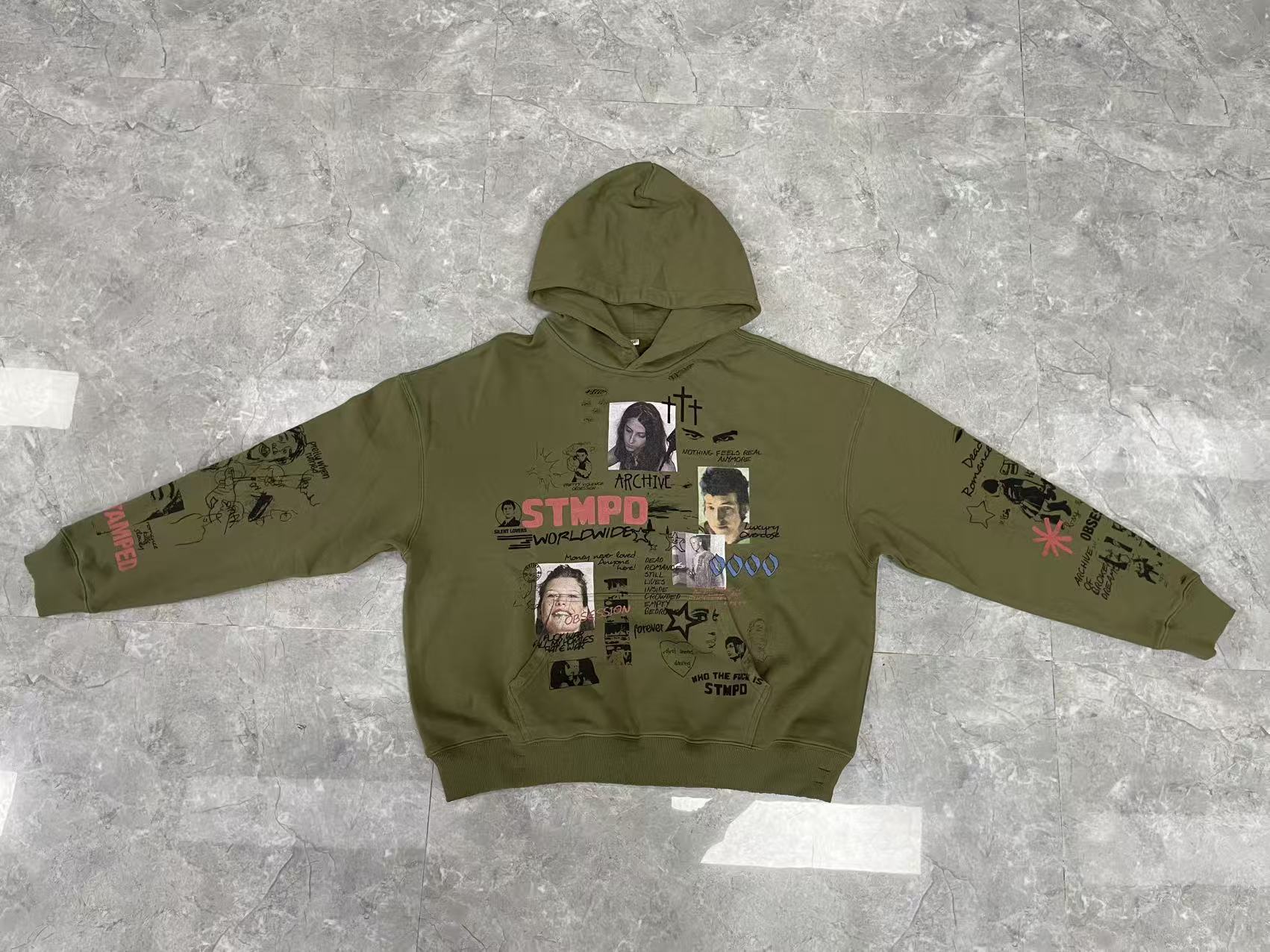
6. What Are the Most Common Quality Problems in Embroidery Production?
Embroidery quality affects not only garment appearance but also durability and wearing comfort. For streetwear brands planning bulk production, identifying and resolving embroidery problems early is essential.
6.1 Fabric Puckering
Fabric puckering is often associated with stitch density, thread tension, underlay construction, and fabric stability.
When stitches place excessive tension on the material, visible ripples or wrinkles may appear around the embroidered area.
Possible improvements include adjusting stitch parameters, optimizing underlay construction, selecting suitable stabilizers, and testing the design on the actual garment fabric.
6.2 Design Distortion
Design distortion may occur in narrow lettering, large logos, or complicated graphic shapes.
Common causes include insufficient pull compensation, unsuitable stitch directions, fabric stretch, and inaccurate positioning during production.
Professional digitizing and physical sample inspection can help reduce the likelihood of these problems.
6.3 Excessive Embroidery Stiffness
Using too many stitches or excessively thick backing materials may cause the embroidered area to become stiff.
For T-shirts and hoodies that require a soft drape, manufacturers must carefully control decoration dimensions and embroidery construction to avoid affecting wearing comfort.
6.4 Loose Chenille Edges
Chenille patches require stable edge construction. Inadequate finishing may cause loose yarn loops, frayed patch edges, or localized distortion.
Manufacturers should inspect edge securing methods, patch construction, and final sewing quality throughout production.
6.5 Thread Color Variation
Embroidery threads from different production batches may have slight color variations. For brand logos and multicolor graphics, thread color consistency is particularly important.
It is advisable to confirm thread colors before bulk production and retain an approved sample as a reference for subsequent manufacturing.
7. How Are High-Density and Chenille Embroidery Used in Different Streetwear Garments?
Different garment categories have different construction and wearing requirements. Embroidery techniques should therefore be adjusted according to the specific product.
7.1 Custom Hoodies
Hoodies are among the most common applications for high-density and chenille embroidery.
High-density embroidery is suitable for chest logos, sleeve lettering, and back graphics. Chenille works particularly well for large letters, brand initials, and vintage-inspired patches.
For heavyweight hoodies around 450 GSM, manufacturers should consider not only fabric support but also embroidery thickness and overall wearing comfort.
7.2 Custom Sweatshirts
Crewneck sweatshirts are suitable for chest logos, vintage lettering, and localized embroidery details.
For brands developing American collegiate or retro sportswear styles, chenille lettering on the chest can be combined with conventional embroidery for the outlines and smaller details.
7.3 Custom Varsity Jackets
Varsity jackets are a classic application for chenille patches.
Large letters, numbers, and emblems can create bold dimensional effects through chenille construction. Designs containing small lettering or complicated outlines can incorporate conventional embroidery as well.
During manufacturing, the jacket fabric, lining, sleeve construction, and patch attachment method must also be considered to ensure that decoration does not interfere with the garment structure.
7.4 Custom T-Shirts
T-shirts generally use relatively lightweight knitted fabrics, so embroidery size and density require more careful control.
Small chest logos, sleeve branding, and localized graphics are often suitable for direct embroidery with appropriately controlled stitch density.
If a brand wants to develop a larger embroidered design, actual fabric testing should be completed in advance to avoid excessive stiffness or unwanted changes in fabric drape.
8. How Can a Clothing Manufacturer Maintain Consistency Between Embroidery Samples and Bulk Production?
For clothing brands, approving an embroidery sample is only the first step in product development. The real challenge is maintaining consistent appearance, measurements, and workmanship throughout subsequent bulk production.
This requires more than embroidery equipment. The manufacturer must coordinate fabric sourcing, artwork digitizing, embroidery, cutting, sewing, and finished garment inspection.
8.1 Standardize Embroidery Technical Files
After sample approval, the manufacturer should retain the approved embroidery file, stitch settings, thread color information, artwork dimensions, and placement specifications.
These records help production teams follow consistent requirements and reduce variations between different production batches.
8.2 Conduct Actual Garment Testing
A separate embroidered fabric swatch cannot fully represent the final garment.
Manufacturers should inspect embroidery on the actual garment fabric and construction, including graphic clarity, fabric puckering, wearing comfort, and overall garment silhouette.
8.3 Coordinate Embroidery and Sewing Processes
When embroidery is positioned near pockets, zippers, seams, or ribbed sections, the production sequence and available working space must be planned in advance.
Proper process coordination can reduce repeated operations and unnecessary rework.
8.4 Inspect Bulk Production Quality
During bulk manufacturing, embroidery placement, stitching, thread colors, artwork dimensions, and decoration attachment should be inspected.
Chanjoye provides a range of custom garment manufacturing techniques, including embroidery, panel construction, printing, and other decorative processes. Fabric, workmanship, and finished garment inspections are used to help control product quality. Specific inspection requirements are determined according to garment construction and process complexity.
9. Why Choose a Professional Streetwear Clothing Manufacturer for Custom Embroidery?
High-quality embroidered apparel is not simply about stitching a logo onto fabric. It requires embroidery techniques to be coordinated with the entire garment manufacturing process.
If a supplier only handles embroidery but cannot coordinate fabric selection, pattern development, and garment sewing, brands may need to communicate with several different suppliers, increasing production management complexity.
As a professional streetwear clothing manufacturer, Chanjoye provides custom garment manufacturing services for global fashion brands, covering:
Custom Fabric Selection: Selecting suitable materials according to product requirements.
Pattern Development: Developing garment patterns based on brand designs.
Cutting and Sewing: Providing complete garment cutting and sewing services.
Embroidery Customization: Supporting flat embroidery, three-dimensional embroidery, and appliqué embroidery.
Garment Washing: Providing washing and finishing processes according to product specifications.
OEM & ODM Manufacturing: Offering integrated manufacturing support from sample development to bulk production.
For brands developing high-density embroidered hoodies, chenille varsity jackets, or other customized streetwear products, choosing a manufacturer that can integrate embroidery with complete garment production helps improve product development efficiency and quality management.
10. Conclusion: Choose the Right Embroidery Technique to Bring Your Garment Designs to Life
High-density embroidery and chenille embroidery have different production characteristics. High-density embroidery is better suited to detailed logos, lettering, and graphic elements, while chenille is ideal for large letters, numbers, and decorative designs with a vintage-inspired texture.
However, the quality of embroidered apparel is not determined by a single embroidery technique. It depends on the coordination of stitch construction, fabric compatibility, digitizing parameters, garment structure, and quality control.
For streetwear brands, understanding these manufacturing details in advance can help them select suitable decoration methods and reduce potential problems during sample revisions and bulk production.
Chanjoye is an OEM/ODM clothing manufacturer specializing in custom streetwear production. We provide fabric selection, pattern development, embroidery customization, cutting and sewing, sample development, and bulk manufacturing according to brand requirements.
Whether you are developing a heavyweight hoodie with a detailed brand logo or a vintage varsity jacket featuring chenille patches, Chanjoye can evaluate suitable garment manufacturing solutions based on your designs and product specifications.
Looking for a Professional Streetwear Clothing Manufacturer?
📞 Phone: [86-15015158179]
📧 Email: [info@chanjoye.com]
🌐 WhatsApp:[https://wa.me/8618025298509]
Click the link above to start designing your custom streetwear today. We can’t wait to help you express your bold style!