How to Build a Full Streetwear Collection: Tops, Bottoms, and Outerwear That Work Together
- Share
- publisher
- Chanjoye Editorial Team
- Issue Time
- Sep 3,2026
Summary
Learn how to build a cohesive streetwear collection with tops, bottoms, and outerwear that coordinate across fit, color, materials, and production.
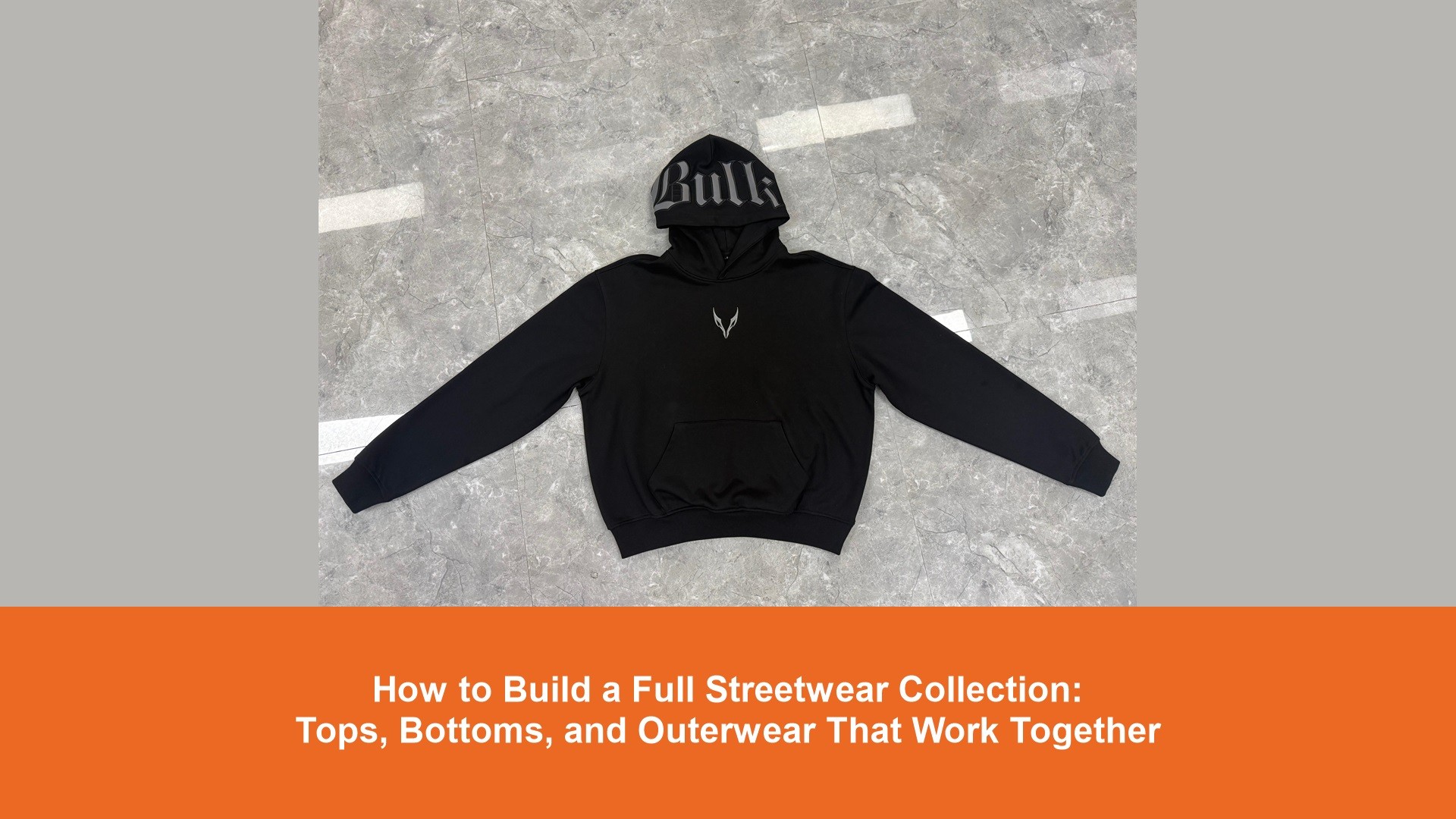
A full streetwear collection works when every garment feels like part of the same world. Tops establish the core look, bottoms create proportion and utility, and outerwear adds seasonal value and a strong visual finish. The practical challenge is coordinating those categories without making the range repetitive, expensive to develop, or difficult to manufacture. This guide explains how to build a cohesive collection that is commercially clear and production-ready. Define the customer, season, price position, and story before listing styles. A useful collection brief names the wearer, climate, daily use case, target retail band, launch date, and the three visual attributes the range should communicate. For example, a brand might choose relaxed proportions, mineral colors, and practical layering for an autumn city collection. Those constraints make later decisions faster and prevent unrelated garments from competing for attention. Set a clear assortment architecture. A small drop may need one hero outer layer, two tops, and one bottom. A larger seasonal range can add supporting colors and fabric weights, but each new style should have a job: attract attention, complete an outfit, offer an accessible price, or create a repeat-purchase option. Consistency comes from repeatable design decisions. Choose a controlled palette, a small hardware language, and a fit family before development. If the tops are boxy and cropped, the bottoms might use a relaxed rise and a considered leg opening rather than a completely different silhouette. Use the same logo scale, label treatment, and stitch character wherever it supports recognition. Color does not need to be identical across every garment. Instead, create anchors: one core neutral, one dark contrast, and one seasonal accent. Repeat the accent on a cuff, drawcord, lining, or embroidery so a jacket can be styled with the matching tee and trouser without looking like a uniform. T-shirts, long-sleeve shirts, hoodies, and sweatshirts usually carry the highest volume. Start with a dependable base fit and develop variations through fabric weight, neckline, surface decoration, or sleeve detail. A heavyweight tee can anchor a premium story, while a lighter jersey gives customers a more accessible option. Keep decoration aligned with the substrate. Screen print is efficient for bold graphics and repeatable color blocks; embroidery adds texture but needs stable panels and controlled density; appliqué and puff effects require sample testing for hand feel and wash durability. Document artwork scale, placement, thread or ink references, and acceptable tolerances in the tech pack. Bottoms make the collection wearable as a complete outfit. Decide whether the range needs cargo, denim, sweat, or tailored utility shapes based on the customer and climate. Then define the fit vocabulary: straight, relaxed, wide, tapered, or stacked. A consistent rise and waistband treatment can connect several silhouettes even when the leg shape changes. Pockets, hardware, and seam placement should be purposeful. Extra pockets add cost, bulk, and inspection points, so map their function and loading before approving the pattern. Confirm pocket bag fabric, zipper or snap specifications, bartack positions, and stress-point reinforcement. For trousers that coordinate with fleece or knit tops, check colorfastness and shrinkage across every material rather than assuming black or neutral shades will match automatically. Outerwear earns attention through volume, material, and construction. Choose one hero jacket or coat that expresses the season, then support it with simpler layers. A varsity jacket may use wool-look body fabric and contrast sleeves; a puffer depends on fill, quilting, and shell performance; a coach or workwear jacket may rely on a crisp woven fabric and practical pockets. Outerwear also carries the greatest sampling risk. Review seam construction, lining, insulation, zipper operation, hood balance, and movement before approving the fit. Request a pre-production sample in final materials and test it with the tops and bottoms it is meant to layer over. The visual balance of the full outfit matters more than a jacket viewed alone. Build a material matrix for the whole collection. Record fiber composition, GSM, width, finish, shrinkage, pilling, colorfastness, supplier, and reorder lead time. Standardizing selected fabrics across multiple styles improves color continuity and lowers development complexity. Reserve specialty materials for the hero pieces where they create a clear commercial reason. Ask the manufacturer which fabrics are stock and which trigger a mill minimum. A practical compromise is to use stock core colors for the first drop while reserving custom dyeing for a proven reorder. When sustainability is part of the brand promise, request transaction-level evidence and define which claims can be substantiated. Textile Exchange resources on preferred fibers can help teams frame material decisions without relying on vague labels. Create outfit boards that show at least three ways each hero item can be worn. This exposes gaps quickly: a jacket may need a longer tee, a trouser may need a compatible hem width, or a hoodie may overwhelm a cropped outer layer. Test the range in the colors and sizes that customers will actually receive, not only in a styled sample set. Use a simple matrix with rows for tops, bottoms, and outerwear and columns for color, fit, fabric weight, and price. Every proposed style should connect to at least two other pieces. If a product has no outfit role, treat that as a signal to revise or remove it before sampling. Each style needs front and back flats, points of measure, tolerances, construction notes, artwork files, labels, packaging, and a bill of materials. Give every file a revision code and date. Keep one approved fit block when possible so future drops inherit a tested foundation. Work through a disciplined sample loop: development sample, fit review, revised sample, and pre-production sample. Separate measurement corrections from aesthetic preferences, and ask the factory to identify changes that affect material consumption, lead time, or cost. Chanjoye can support design development, sampling, material sourcing, decoration, private labels, and inspection for emerging streetwear brands. Model landed cost by style and by outfit, including fabric, trims, decoration, labels, packaging, freight, duties, testing, and inspection. Use a small number of colorways at launch and add depth after sell-through data arrives. Confirm MOQ by style and color, sample fees, payment milestones, and capacity during the launch window. For quality assurance, approve one golden sample for each style family and define measurement, shade, stitch, print, and packaging standards. Inline checks during cutting and sewing catch systematic issues earlier than a final inspection alone. Keep retained production samples for future color matching and reorder approvals. Review the product catalog, learn about Chanjoye on the About Us page, or send a structured brief through Send Inquiry. For intellectual-property planning, consult the WIPO trade-secret guidance; for responsible fiber language, see Textile Exchange resources. Conclusion: A strong streetwear collection is an interconnected system. Start with a clear idea, assign every style a job, coordinate fit and materials, test complete outfits, and document production decisions. That process gives customers more ways to wear the range while giving your manufacturing partner a clearer path to consistent quality and repeatable margins.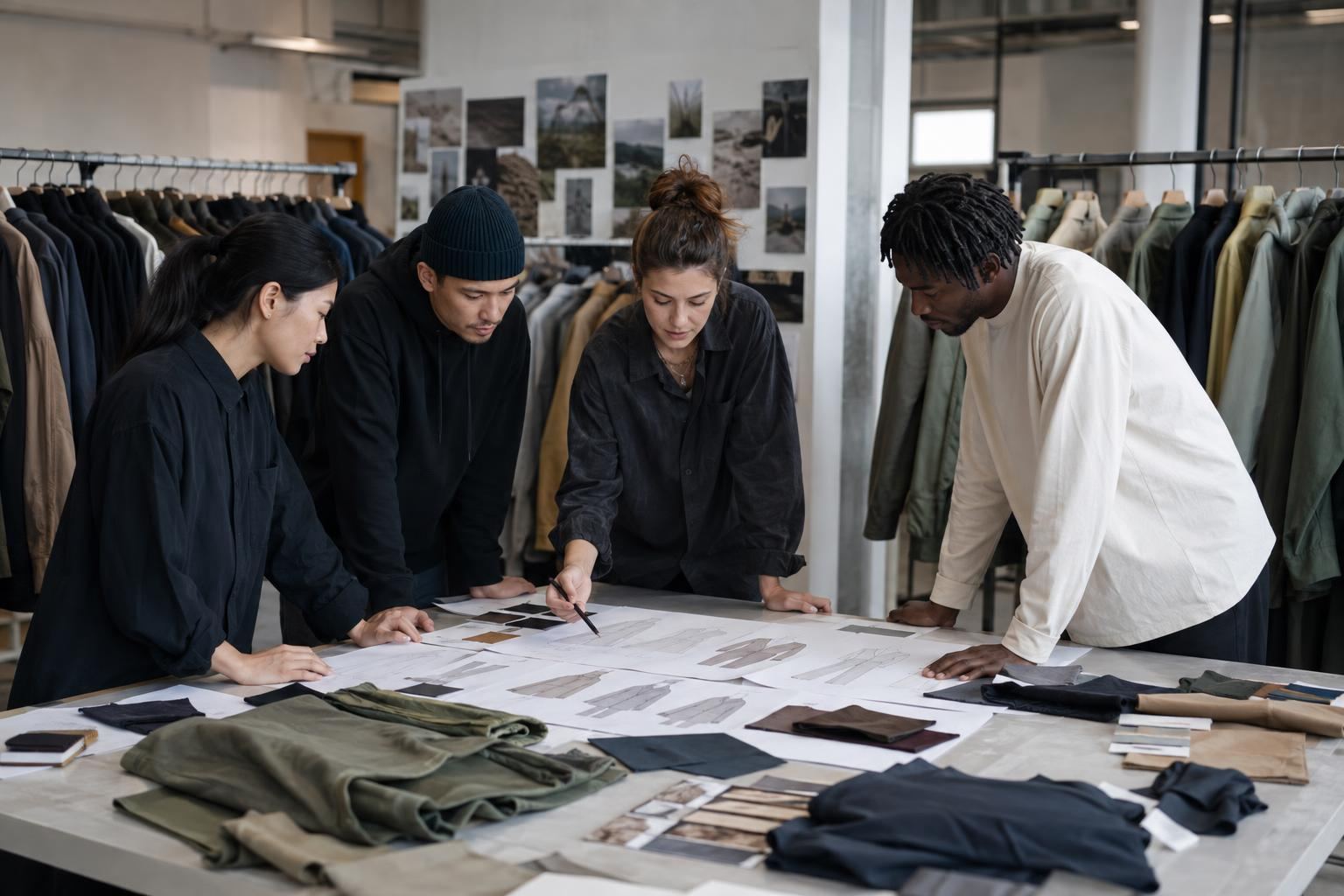
Start with one collection idea, not a pile of products
Build a visual system across tops, bottoms, and outerwear
Plan the top category as the everyday entry point
Use bottoms to create proportion and utility
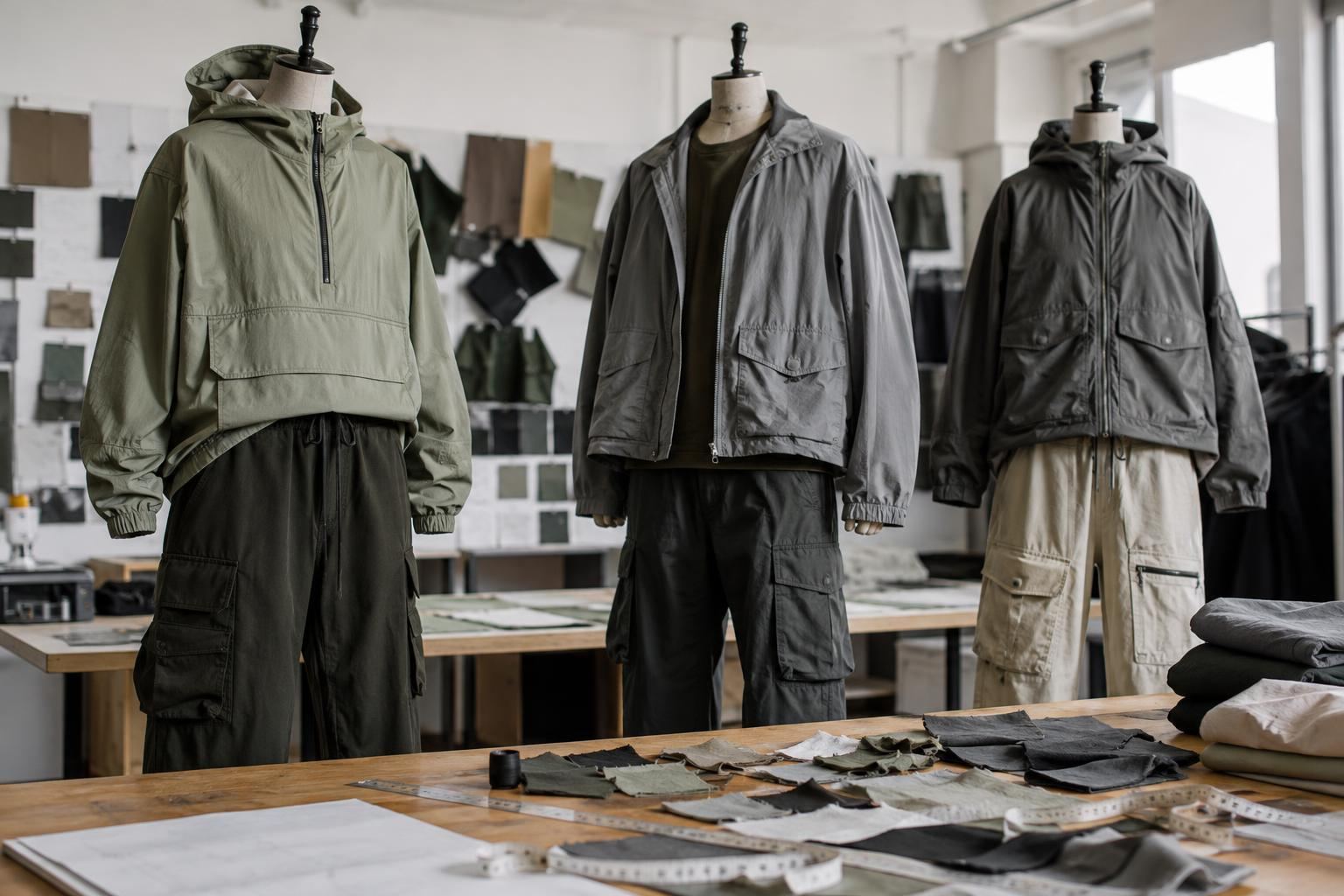
Make outerwear the seasonal hero
Choose materials as a coordinated bill of materials
Design the range around real outfit combinations
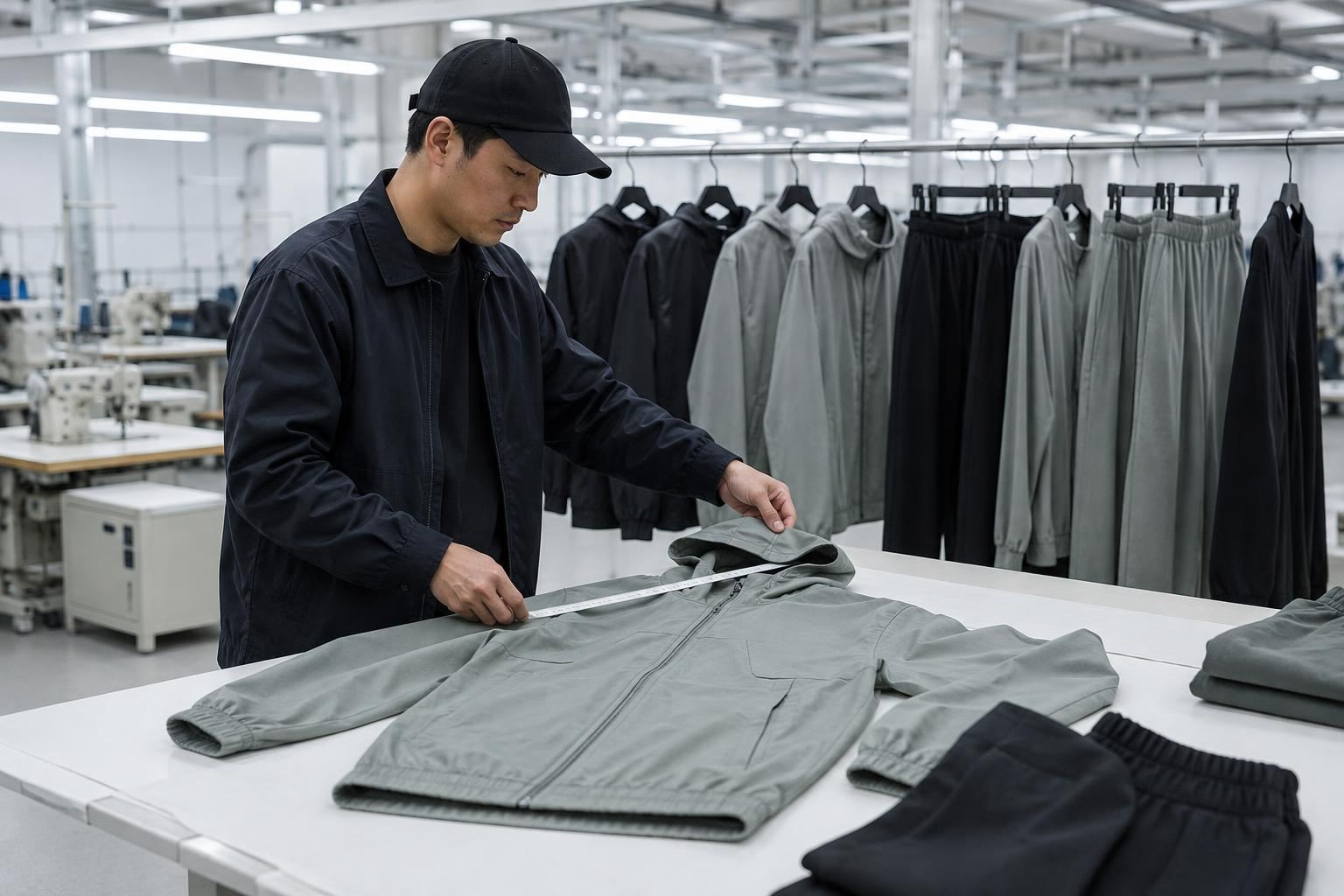
Turn the concept into a production-ready system
Protect margin with a collection-level launch plan
Final checklist for a cohesive streetwear collection