How to Choose the Right Fabric for Your Custom Streetwear Collection
- Share
- publisher
- Chanjoye
- Issue Time
- Aug 27,2026
Summary
Comprehensive fabric selection guide for streetwear collections. Compare cotton, polyester, nylon, fleece, denim, and blends across comfort, durability, drape, and cost dimensions.
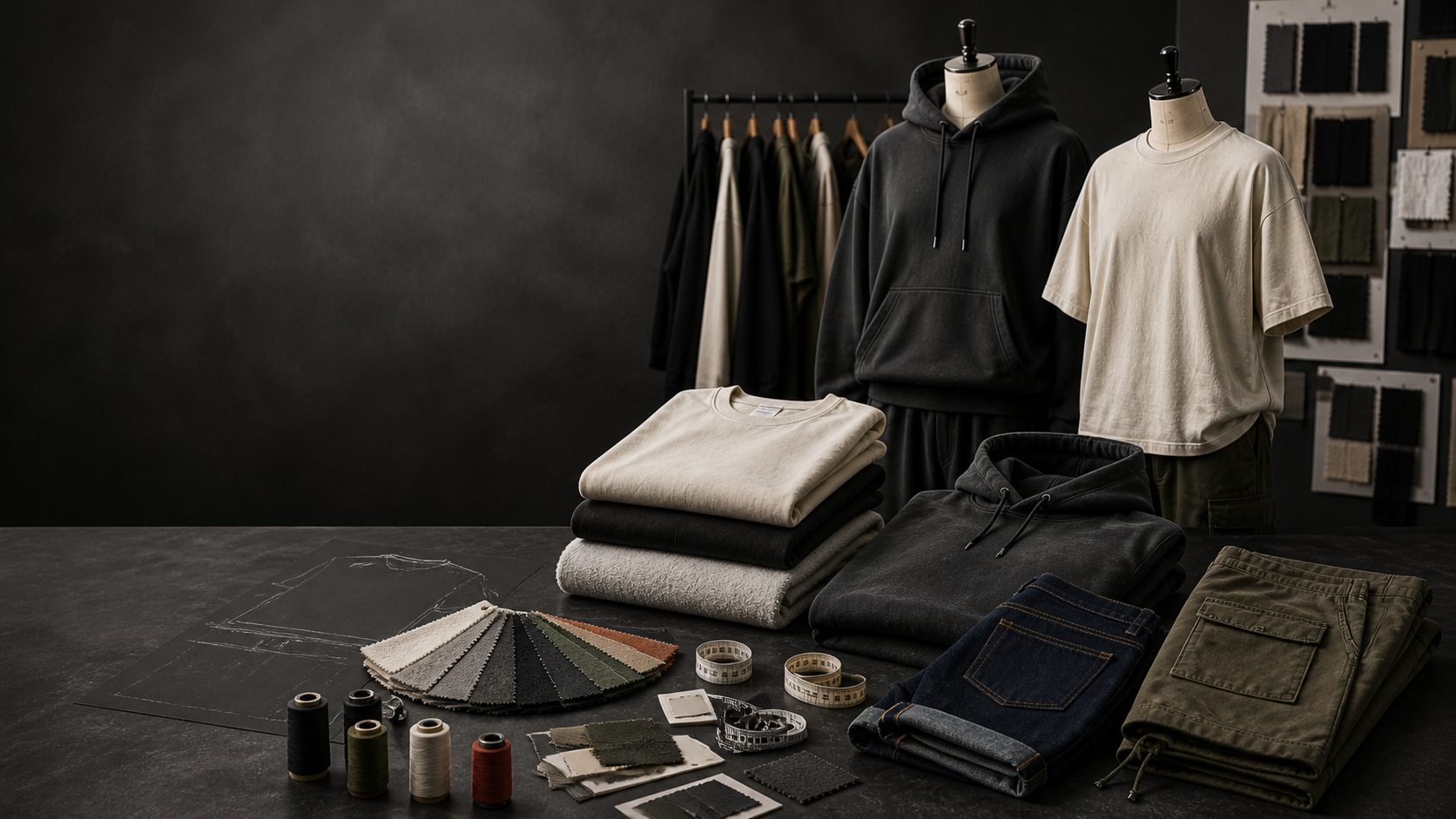
Every streetwear brand starts the same way: a mood board full of silhouettes, a stack of graphic ideas, and a clear vision of what the collection should feel like. But the moment your design reaches a manufacturer, one question decides whether that vision survives contact with reality: what fabric are we using? Choose wrong, and the problems do not show up in the sample photo. They show up three months later, in the customer reviews. The oversized tee that was supposed to drape heavy instead clings and wrinkles. The hoodie that looked plush in the lookbook pills into fuzz after two washes. The cargo pants hold a sheen that reads costume, not collection. Returns climb, margins shrink, and the premium identity you spent months building quietly erodes. The good news is that fabric mistakes are completely avoidable. Fabric selection is not magic. It is a learnable skill built on a few fundamentals: fiber, weight, construction, and finish. This guide gives you the framework used when helping premium brands build streetwear collections, from cotton jersey tees to technical outerwear, so you can brief any manufacturer with confidence and receive samples that feel as good as they look. Streetwear consumers are trained to judge quality with their hands. Before anyone reads your brand story, they have already picked up the garment, squeezed the fabric, and formed an opinion. Apparel purchasing research consistently shows that fabric hand-feel is one of the strongest drivers of perceived quality and willingness to pay a premium. That is why the same design in a 180 GSM jersey and a 240 GSM combed cotton jersey can sell at completely different price points. The scale of the material economy explains why getting this right matters more than ever. According to the Textile Exchange Materials Market Report 2025, global fiber production reached 132 million tonnes in 2024, with polyester alone accounting for 59% of total output and cotton holding 19%. The market is flooded with fiber, but not all fiber is created equal. The gap between commodity fabric and premium fabric is exactly where your brand either earns its reputation or loses it. Fabric choice also drives your economics. Fabric typically represents half or more of a garment's material cost, so the decision you make at the sampling stage determines both product quality and margin structure for the entire season. That is why premium brands work with partners who treat fabric seriously, which is exactly what Chanjoye, a leading high-end custom streetwear manufacturer with over 20 years of experience serving premium and luxury streetwear brands worldwide, does at every stage of development. Before comparing specific fabrics, you need four building blocks: fiber, yarn, weight, and construction. Fiber is the raw material, whether cotton, polyester, nylon, or wool. It determines the fabric's personality: breathability, moisture behavior, durability, and hand feel. Yarn quality matters almost as much as fiber type. Combed cotton has short fibers removed so the yarn is smoother, stronger, and softer against the skin, while long-staple cotton yarns produce an even more refined hand feel. Yarns spun from shorter, lower-grade fibers produce rougher, weaker fabric that pills faster. Weight is measured in GSM, grams per square meter, and it is the single most useful number when you brief a manufacturer. It tells you instantly whether a tee is a lightweight summer piece or a heavyweight statement. Construction is knit versus woven. Knits, including jersey, French terry, and fleece, stretch and move with the body and form the backbone of streetwear. Wovens, including denim, twill, and poplin, are firmer and hold structure, making them ideal for pants, jackets, and structured pieces. Quick GSM reference: T-shirts 180-240 GSM for standard premium and 240-320 GSM for heavyweight boxy fits; hoodies and sweatshirts 280-400 GSM; shorts 180-260 GSM; cargo pants 220-320 GSM twill; jacket shells 60-120 GSM nylon with coatings; denim 340-480 GSM, roughly 10-14 oz. Cotton remains the default for good reason. It breathes, it ages beautifully, and it takes print and dye exceptionally well. Even as synthetics grow, cotton still accounts for about 19% of global fiber production, and the Textile Exchange report notes that 34% of global cotton production now comes from certified sources, reflecting the industry's push toward verified supply chains. For t-shirts, combed cotton jersey at 200-240 GSM is the sweet spot for elevated essentials, while 260-320 GSM heavyweight cotton gives you the structured, boxy silhouette that defines modern streetwear. The weight does more than change the feel: it changes how the garment falls on the body, which changes how your graphics read. If sustainability matters to your customers, look for organic cotton certified under the Global Organic Textile Standard (GOTS), and verify safety credentials through OEKO-TEX STANDARD 100, which tests every thread, button, and accessory against a list of over 1,000 harmful substances. For a deeper look at staple length and fiber grades, the cotton overview on Wikipedia is a solid technical reference. Whatever grade you choose, insist on pre-shrunk fabric, because shrinkage is the most common cotton complaint in streetwear. Polyester dominates global fiber production at 59% because it is durable, quick-drying, and colorfast. For jerseys, sports pieces, and performance-oriented streetwear, polyester and nylon blends are engineering materials, not compromises. They hold vibrant sublimated prints, resist fading, and stand up to frequent wear and washing. Recycled polyester, mostly made from plastic bottles, now represents roughly 12% of polyester output, a figure that gives brands a credible way to reduce virgin synthetic use while keeping performance benefits. Blends are where most collections find balance: a 65/35 or 50/50 cotton-poly jersey keeps a natural hand feel while adding wrinkle resistance and durability, and performance knits with elastane provide the stretch that athleisure consumers expect. One caution: 100% polyester garments can feel clammy in hot, humid weather. The quality of the experience depends heavily on knit structure and moisture-wicking finishes, so always evaluate a physical sample in the conditions your customers will actually wear the garment. Hoodies and sweatsuits are the profit engine of most streetwear brands, and their fabric is the whole game. Two constructions dominate. French terry has a looped back that drapes beautifully and breathes, making it ideal for layering pieces. Brushed fleece has a brushed back that is softer and warmer, making it the classic choice for cozy heavyweight hoodies. Premium hoodie weights typically run from 280 to 400 GSM. The markers of a premium fleece are pre-shrunk treatment, anti-pilling finishing, a tight knit structure, and reinforced seams. A 380 GSM brushed fleece hoodie feels like a considered luxury item; a thin 240 GSM version feels like a souvenir. The difference is entirely in the fabric, not the logo. For more on hoodie construction and fit, browse related articles in our streetwear blog. Beyond the basics, statement pieces need specialized materials. Nylon powers the technical side of streetwear: puffer shells, ripstop cargo pants, and techwear jackets rely on its tear resistance and weather performance, often with water-repellent coatings. Denim, a woven fabric, delivers structure and timelessness, with 10-14 oz weights covering most streetwear applications and stretch denim adding comfort. Specialty fabrics such as faux leather for varsity sleeves, mesh for jerseys, and brushed tricot for shorts linings complete the toolkit for standout silhouettes. A simple rule of thumb: the more structure the silhouette needs, the heavier and firmer the fabric should be. A boxy tee wants 240 GSM or higher. A relaxed hoodie wants 320 GSM fleece or higher. Cargo pants want 240 GSM twill or ripstop. Lightweight summer pieces want airy jersey and performance knits that move. Seasonal planning matters just as much as garment type. Spring and summer collections lean on light jersey, French terry, and performance knits. Fall and winter collections shift to heavyweight fleece, nylon shells, and lined outerwear. Plan your drops around the fabric calendar, because premium mills and finishing lines have lead times, and the best fabrics sell out first. To see how these fabric decisions translate into finished garments, explore our custom production catalog. Do not trust a fabric on paper. Before committing to bulk production, ask your manufacturer for a pre-production sample cut from the actual production fabric, then run verification on five markers: shrinkage after 3-5 wash cycles, color fastness to laundering and light, crocking resistance, pilling rating, and seam strength. A premium fabric should hold shrinkage within 3-5% and deliver a pilling rating of 3-4 or better on standard testing scales. Certifications remove guesswork. OEKO-TEX STANDARD 100 confirms that every component has been tested against a list of over 1,000 harmful substances, and GOTS covers organic claims from field to finished garment. At Chanjoye, fabric verification happens before cutting: every production fabric lot is pre-tested for shrinkage, color fastness, and hand feel, and the results are shared openly with brand partners. That is the difference between a brand that discovers problems at the warehouse and one that never has them. Fabric expertise is not distributed evenly across factories. Some workshops will happily sew whatever fabric you send them and call it a day. The partners that protect your brand are the ones that source premium materials, maintain in-house quality control, and advise on construction before you commit. Chanjoye offers flexible MOQ starting at 50-100 pieces so premium brands can validate hand feel, fit, and print quality before scaling, all with competitive pricing for premium quality rather than a race to the bottom. For two decades, Chanjoye has helped premium and luxury streetwear brands translate fabric choices into finished collections, from heavyweight tees to technical outerwear. You can read more about our manufacturing capabilities on our about us page, discuss your fabric requirements with our team via contact us, or send a detailed inquiry through the inquiry form to start your sampling process. 200-240 GSM combed cotton jersey is the sweet spot for elevated essentials, while 260-320 GSM gives you the heavyweight, boxy structure that defines modern streetwear. Test both weights in a sample to see which matches your intended silhouette. Choose French terry for breathable layering pieces that drape, and brushed fleece for warmth and plushness. Within either construction, weight matters more than the name, so always compare GSM when evaluating options. Use 100% combed cotton when hand feel and print quality are the priority. Use blends when you need durability, wrinkle resistance, and lower shrinkage. Most premium collections lead with 100% cotton and reserve blends for performance pieces. Request a pre-production sample in the final fabric, then run wash tests over 3-5 cycles and check shrinkage, color fastness, and pilling. A reliable manufacturer will run these tests with you and share results before you commit to volume. Yes. OEKO-TEX STANDARD 100 verifies safety against harmful substances, and GOTS verifies organic claims. Certifications also give you credible marketing ammunition with eco-conscious consumers who increasingly check labels before they buy. Fabric is the foundation of everything your brand promises. The best graphics, fits, and storytelling in the world cannot rescue a garment that feels wrong in the hand or falls apart in the wash. Start with the fundamentals: fiber, GSM, and construction. Verify quality markers before production. And work with a partner that treats materials as seriously as you treat your designs, whether you choose Chanjoye or another experienced manufacturer. The brands that win in streetwear are the ones whose garments feel as considered as they look. When you are ready to build, our team can guide you through fabric selection, sampling, and production. Read more guides on our blog, or start a conversation with us today through contact us.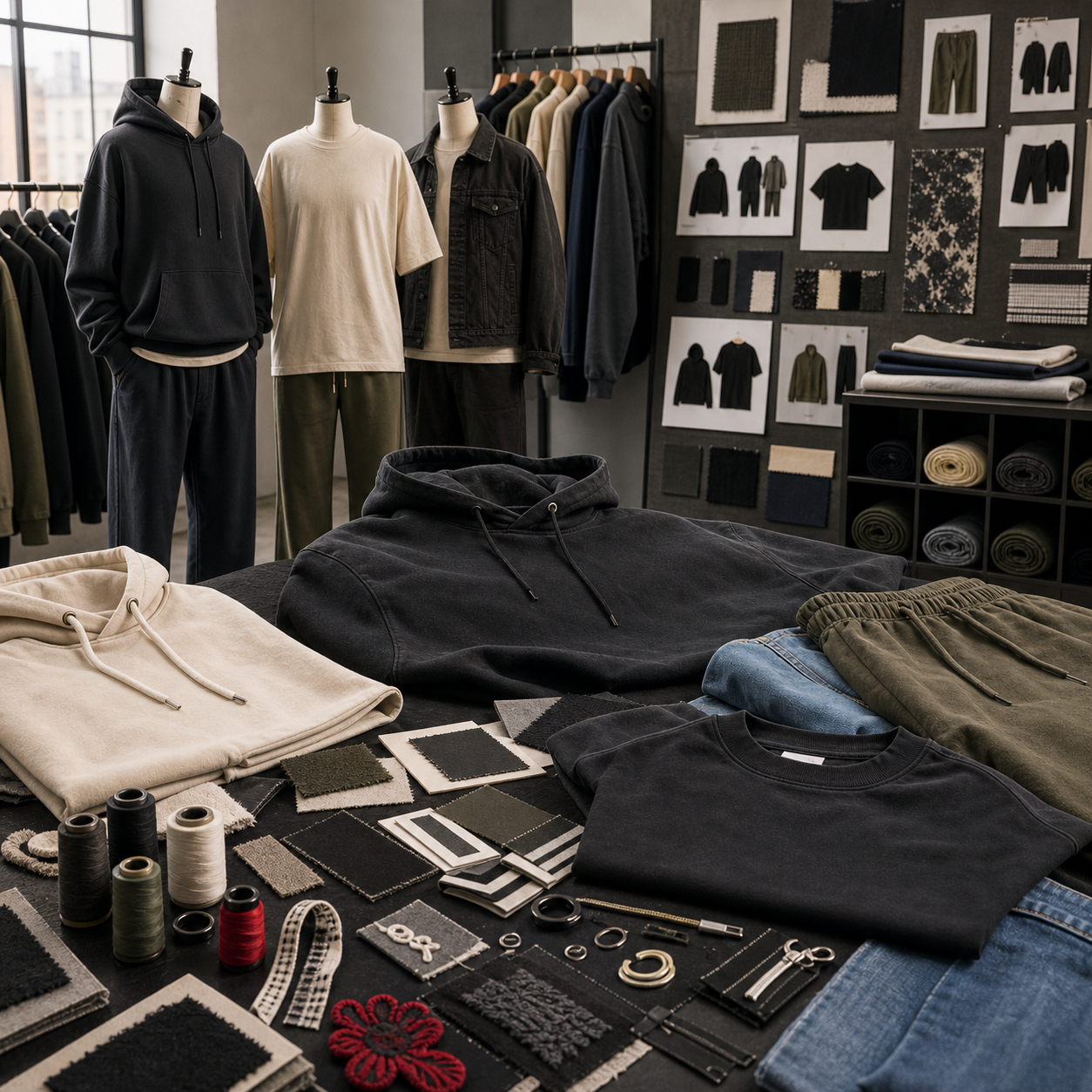
Why Fabric Choice Makes or Breaks a Streetwear Brand
Fabric Fundamentals: Fiber, Yarn, GSM, and Weave
Cotton: The Foundation of Premium Streetwear
Polyester and Performance Blends: When Synthetic Makes Sense
Fleece and French Terry: The Backbone of Hoodies and Sweatsuits
Nylon, Denim, and Specialty Fabrics for Statement Pieces
Streetwear Fabric Comparison Table
Fabric Best For Weight Range Strengths Watch Out For Combed cotton jersey Tees, tanks 180-240 GSM Soft, breathable, prints well Shrinkage if not pre-shrunk Heavyweight cotton Boxy tees, oversize fits 240-320 GSM Structure, premium weight Higher material cost per unit French terry Hoodies, sweatshirts 280-380 GSM Drape, breathability Less warmth than fleece Brushed fleece Hoodies, sweatsuits 320-400 GSM Soft, warm, plush Can pill without finishing Cotton-poly blend Tees, polos, jerseys 180-240 GSM Durable, low shrink Less natural hand feel Performance knit Athleisure, jerseys 160-220 GSM Moisture wicking, stretch Synthetic hand feel Nylon ripstop Shells, cargo, techwear 60-160 GSM Tear resistant, weatherproof Less breathable Denim Jeans, jackets 340-480 GSM (10-14 oz) Timeless, ages well Heavy, stiffer How to Match Fabric to Garment Type and Season
Quality Markers to Verify Before Production
Working with a Manufacturer Who Treats Fabric as Engineering
Frequently Asked Questions About Streetwear Fabrics
What GSM is best for a premium streetwear tee?
French terry or brushed fleece for hoodies?
100% cotton or a cotton-poly blend?
How do I test fabric before bulk production?
Do fabric certifications really matter?
Final Thoughts: Build Your Collection on the Right Foundation