How to Start a Profitable T-Shirt Business with Low MOQ Custom Manufacturing
- Share
- publisher
- Chanjoye Editorial Team
- Issue Time
- Jul 15,2026
Summary
Step-by-step guide to launching a profitable T-shirt business using low MOQ custom manufacturing. Cover business planning, supplier selection, pricing strategy, and marketing.
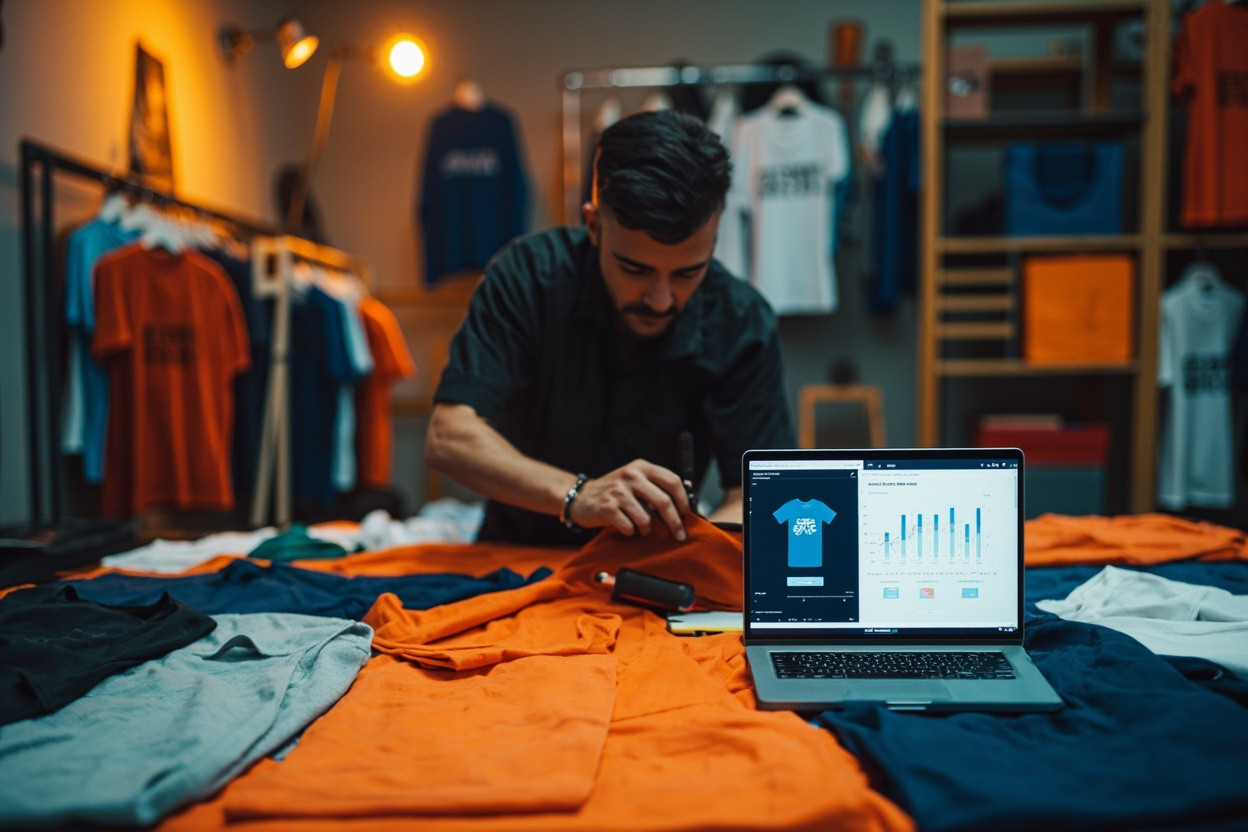
Why Now Is the Best Time to Start Your T-Shirt Business
The global custom T-shirt market is projected to reach $10.9 billion by 2026, driven by e-commerce growth, print-on-demand technology, and the rise of independent streetwear brands. But here is the reality: most aspiring entrepreneurs get stuck before they even start because traditional manufacturers demand minimum order quantities of 500, 1,000, or even 5,000 pieces per design.
What if you could launch with just 50 pieces per design, test the market with minimal risk, and scale only when you have proven demand? That is exactly what low MOQ custom manufacturing enables. This guide walks you through every step from brand concept to your first profitable sale.

The Real Barrier: Why Traditional Manufacturing Holds Entrepreneurs Back
Walk into any traditional garment factory and the first question you will hear is: "What is your order quantity?" When you say 100 pieces, the conversation often ends. Large factories are built for bulk orders. Their production lines, fabric sourcing, and screen-printing setups require volume to be profitable, and small batches simply do not fit their business model.
This creates a vicious cycle for new brands:
What Low MOQ Manufacturing Actually Means
Low MOQ (Minimum Order Quantity) manufacturing refers to production partners who accept small-batch orders, typically starting from 30 to 100 pieces per design. This model has emerged as a direct response to the needs of startup brands, e-commerce sellers, and influencer-led clothing lines who need flexibility without sacrificing quality.
MOQ: 500-5,000 pieces per design
Upfront investment: $5,000-$50,000
Lead time: 4-8 weeks
Limited to 1-2 design variations
Difficult to pivot designs
High inventory risk
MOQ: 30-100 pieces per design
Upfront investment: $500-$3,000
Lead time: 1-3 weeks
Test 5-10 design variations simultaneously
Iterate based on real sales data
Minimal inventory exposure
Step 1: Define Your T-Shirt Brand Identity
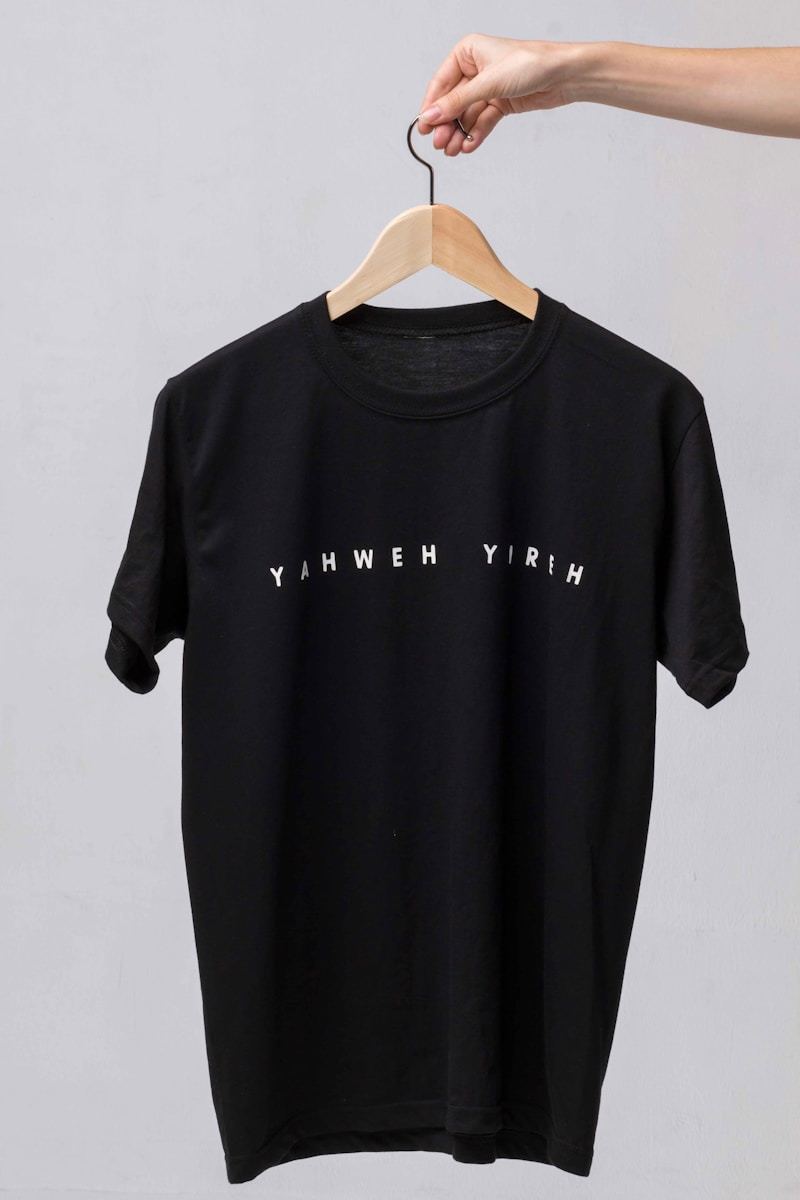
Before you order a single T-shirt, you need a clear brand identity. This is not just about a logo. Your brand identity determines who buys from you, why they choose you over competitors, and what price they are willing to pay.
Choose a name that is memorable, easy to spell, and available as a domain name and social media handle. Avoid names that limit future product expansion.
Decide on your color palette, typography, and overall aesthetic. Your visual identity should be consistent across your website, packaging, and social media.
What inspired your brand? What values do you stand for? Modern consumers, especially in streetwear, connect with authentic stories more than generic product pitches.
Create a detailed customer persona. Age, style preferences, spending habits, where they shop, what influences them. Every design decision flows from this understanding.
Step 2: Research Your Target Market and Competition
Market research is the difference between a brand that resonates and one that disappears. Start with these research pillars:
Step 3: Create a Realistic T-Shirt Business Plan
A business plan does not need to be a 50-page document. For a T-shirt startup, focus on the essentials:
Step 4: Choose Your Niche and Product Range
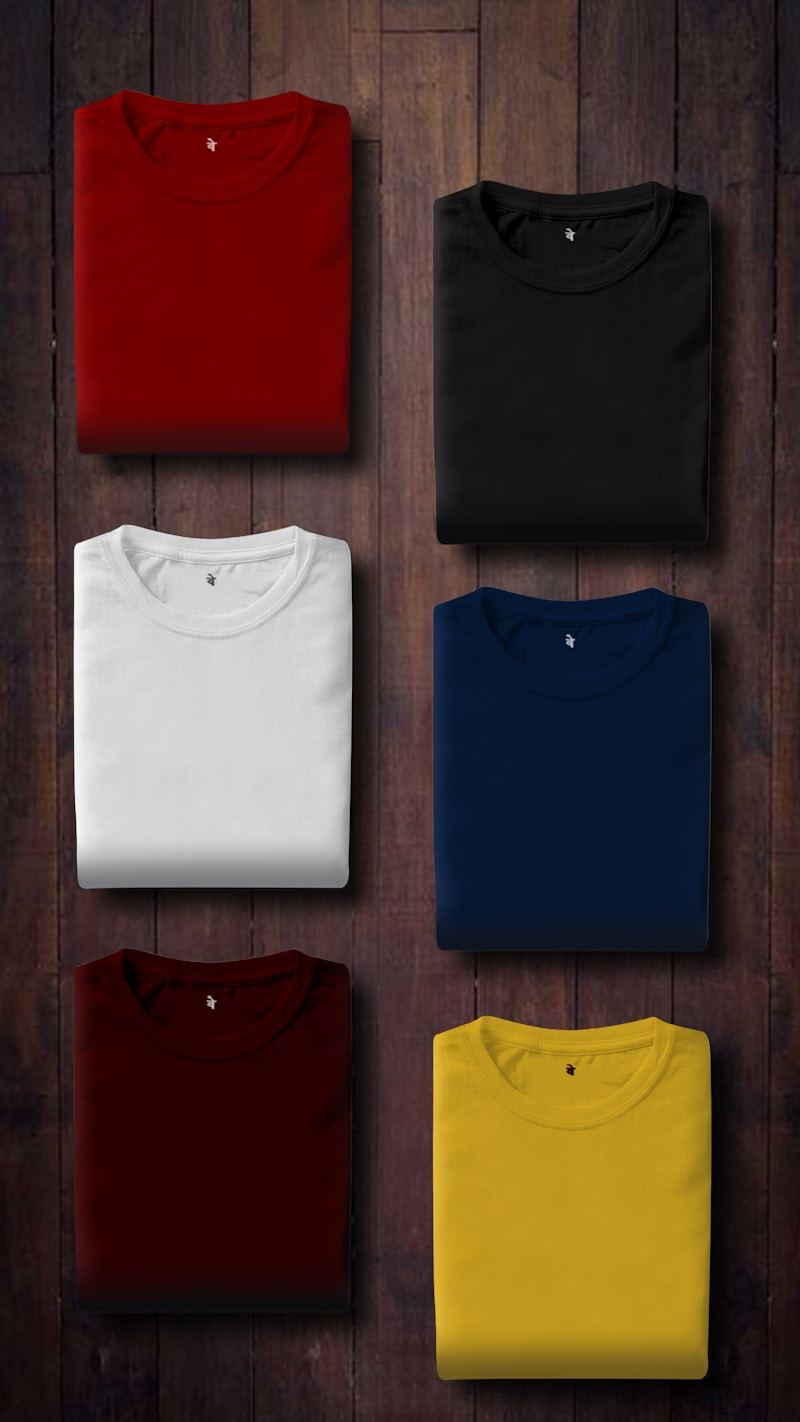
The most profitable T-shirt brands do not try to sell to everyone. They dominate a specific niche. Here are proven profitable niches for 2026:
Streetwear & Urban Culture
Graphic-heavy designs, oversized fits, and limited drops. Appeals to Gen Z and millennial consumers who value exclusivity and cultural relevance. High perceived value allows premium pricing.
Fitness & Athleisure
Performance fabrics, motivational designs, and functional fits. This segment benefits from high repeat purchase rates as fitness enthusiasts regularly refresh their wardrobes.
Sustainable & Eco-Friendly
Organic cotton, recycled materials, and transparent supply chains. Consumers in this niche are willing to pay 20-30% more for verified sustainable products and show strong brand loyalty.
Artist & Creator Collaborations
Partner with independent artists, illustrators, and content creators. Each collaboration brings an existing audience and unique designs that cannot be found elsewhere.
Corporate & Team Merchandise
Custom T-shirts for companies, events, sports teams, and organizations. B2B bulk orders with predictable demand cycles and higher average order values.
Niche Interest Communities
Hobby groups, fandoms, professions, and subcultures. These communities have built-in distribution through word-of-mouth and social sharing. Designs must feel authentic to the community.
Step 5: Find the Right Low MOQ Manufacturer
Your manufacturer is your most important business partner. Choosing wrong can delay launches, produce inconsistent quality, and damage your brand reputation. Here is how to evaluate potential manufacturers:
Step 6: Design Your T-Shirt Collection
Your designs are the heart of your business. Even with perfect manufacturing and marketing, poor designs will not sell. Follow this design development process:
Brainstorm 20-30 design concepts based on your niche research and brand identity. Sketch rough ideas, write design briefs, and collect visual references from fashion trends, art, and culture.
Use Adobe Illustrator or Photoshop to create print-ready designs. Ensure your files are at least 300 DPI at actual print size. For screen printing, separate designs by color. For DTG, use RGB color mode with transparent backgrounds.
Create realistic product mockups showing your designs on actual T-shirt models. High-quality mockups are essential for your website, social media, and pre-launch marketing. They cost nothing but dramatically impact perceived brand quality.
Order 2-3 samples of your top designs. Wear-test them, wash-test them, and evaluate print durability. Only proceed to bulk production after samples meet your quality standards. This step prevents expensive mistakes.
Step 7: Set Your Pricing Strategy for Profitability
Pricing is where most new T-shirt brands make critical mistakes. Price too low and you cannot sustain the business. Price too high and you lose potential customers. Here is a proven pricing framework:
With a total cost of $6-$10 per T-shirt at low MOQ volumes, a standard retail markup of 2.5-4x puts your selling price at $25-$40. This is the sweet spot for premium streetwear and niche brands. For reference, brands like Supreme and Fear of God command $48-$150 per T-shirt, proving that strong branding can support significantly higher price points.
Step 8: Build Your Online Store and Sales Channels
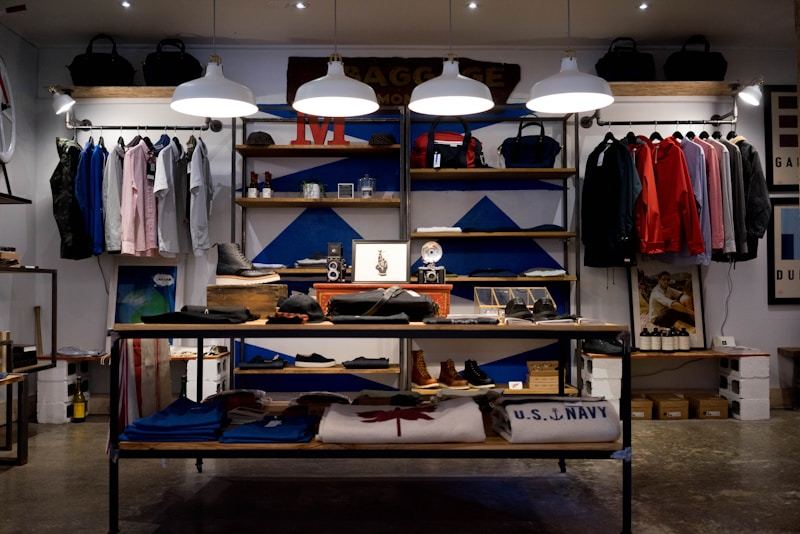
Your online presence is your storefront. It needs to look professional, load fast, and convert visitors into buyers. Here is how to set up your sales infrastructure:
Step 9: Marketing Your T-Shirt Business on a Budget
You do not need a massive marketing budget to launch a successful T-shirt brand. What you need is a smart, focused strategy that builds momentum over time:
Instagram & TikTok Content
Post consistently, not perfectly. Behind-the-scenes design process, factory visits, packaging reveals, and customer unboxing videos consistently outperform polished product photos. Aim for 3-5 posts per week and daily Stories.
Micro-Influencer Partnerships
Instead of paying celebrities, partner with 10-20 micro-influencers (1,000-50,000 followers) in your niche. Offer free products in exchange for authentic reviews. Micro-influencers typically have 3-5x higher engagement rates than macro-influencers.
Email Marketing
Build your email list from day one. Offer a 10% discount for signups. Send weekly newsletters with new designs, behind-the-scenes content, and exclusive early access to drops. Email marketing delivers an average ROI of $36 for every $1 spent.
SEO Content Marketing
Write blog content that answers your target customers' questions. Topics like "how to style graphic tees" or "best t-shirt fabrics for summer" attract organic traffic that converts at higher rates than paid traffic over time.
Step 10: Manage Inventory and Fulfillment
Efficient operations keep your margins healthy and your customers happy. Here is how to handle logistics with a lean startup approach:
When you are shipping 5-20 orders per day, pack and ship from home or a small workspace. This saves 3PL fees and gives you direct quality control over packaging and presentation.
Custom poly mailers, tissue paper, and thank-you cards cost $0.50-$1.50 per order but dramatically improve the unboxing experience. Customers share beautiful unboxings on social media, creating free marketing content.
Even at small scale, track inventory with tools like Shopify's built-in system, TradeGecko, or simple spreadsheets. Running out of stock on a bestseller means lost revenue. Over-ordering means tied-up cash.
With low MOQ manufacturing, you can reorder quickly. Set a reorder trigger when inventory hits 30% of initial stock. This gives you 1-2 weeks of lead time cushion while maintaining continuous availability.
Common Mistakes That Kill T-Shirt Startups
Learn from the failures of others. These are the most frequent reasons T-shirt brands fail in their first year:
The most common and most expensive mistake. Even successful brands rarely sell out their first production run. Start with the minimum, sell through, and reorder based on real data, not projections.
Rushing straight to bulk production without testing samples is gambling with your entire inventory investment. Fabric feel, print quality, sizing accuracy, and wash durability can only be verified with physical samples in hand.
Your product photos are your number one sales tool. Poor lighting, wrinkled garments, or inconsistent backgrounds make your brand look amateur regardless of product quality. Invest in professional photography or learn to produce high-quality flat lays and model shots.
Many new brands price too low thinking it will drive volume. Instead, it signals low quality and leaves no margin for marketing, discounts, or growth. Price for the brand you want to be, not the brand you are afraid you are.
If your T-shirts look interchangeable with every other brand, you are competing on price alone, which is a race to the bottom. Develop a distinct visual language, a compelling brand story, or a unique product feature that makes you unmistakable.
Scaling Your T-Shirt Business Beyond the First 100 Orders
Once you have validated your concept with consistent sales, it is time to scale. The low MOQ model makes this transition smoother than traditional manufacturing:
Phase 1: Validation
0-100 orders. Test 2-3 designs at 50 pieces each. Prove that people will pay for your products. Establish baseline metrics for conversion rate, average order value, and customer acquisition cost.
Phase 2: Growth
100-500 orders. Expand to 5-8 designs. Increase order quantities on bestsellers to 100-200 pieces to lower unit costs. Invest profits into professional photography and targeted advertising.
Phase 3: Scale
500-2,000 orders. Negotiate better pricing with increased volumes. Consider dedicated production runs. Build a team for customer service, fulfillment, and marketing. Explore wholesale and retail partnerships.
Phase 4: Expansion
2,000+ orders. Expand into new product categories like hoodies and accessories. Explore international markets. Build direct relationships with fabric suppliers for better margins. Your low MOQ manufacturer can grow with you into larger volumes.
Frequently Asked Questions
How much money do I need to start a T-shirt business with low MOQ manufacturing?
A realistic minimum budget is $1,000-$3,000. This covers 50-100 T-shirts across 2-3 designs, basic packaging, a simple website, and initial marketing. If you already have design skills and can handle fulfillment yourself, you can launch at the lower end of this range.
Can I really start with just 30-50 pieces per design?
Yes. Many manufacturers specializing in startup and small-brand production now accept orders as low as 30 pieces per design per color. Some even offer mix-and-match options where you can order different sizes and colors within the same design to reach the minimum.
How long does it take from design to delivery?
With low MOQ manufacturing, a typical timeline is: 3-5 days for sampling, 7-14 days for production after sample approval, and 5-10 days for shipping. Plan for approximately 3-5 weeks total from final design approval to receiving your inventory.
What is the profit margin on custom T-shirts?
At low MOQ volumes, aim for a 60-70% gross margin. If your landed cost is $8 per T-shirt, selling at $25-$30 gives you $17-$22 per unit before marketing and overhead. As volumes increase and unit costs drop, margins can improve to 70-80%.
Should I register my T-shirt brand as a business first?
While not strictly required to start, registering as an LLC or equivalent business entity protects your personal assets and builds credibility with suppliers, payment processors, and wholesale buyers. Most entrepreneurs register after validating initial demand but before significant revenue.
Your Roadmap to T-Shirt Business Success
Starting a T-shirt business in 2026 is more accessible than ever, but success still requires strategy, patience, and execution. Low MOQ manufacturing removes the biggest barrier that has historically stopped entrepreneurs: the need for massive upfront inventory investment.
Here is your 90-day action plan:
The brands that win are not the ones with the biggest budgets. They are the ones that start, learn fast, and keep improving. With low MOQ manufacturing, you can be one of them.