Launching Your First Streetwear Drop: A Practical Manufacturing Path for New Brands
- Share
- Issue Time
- Sep 18,2026
Summary
A practical guide for first-time streetwear founders who need to turn an idea into a focused, production-ready first drop without overcommitting inventory or compromising product quality.
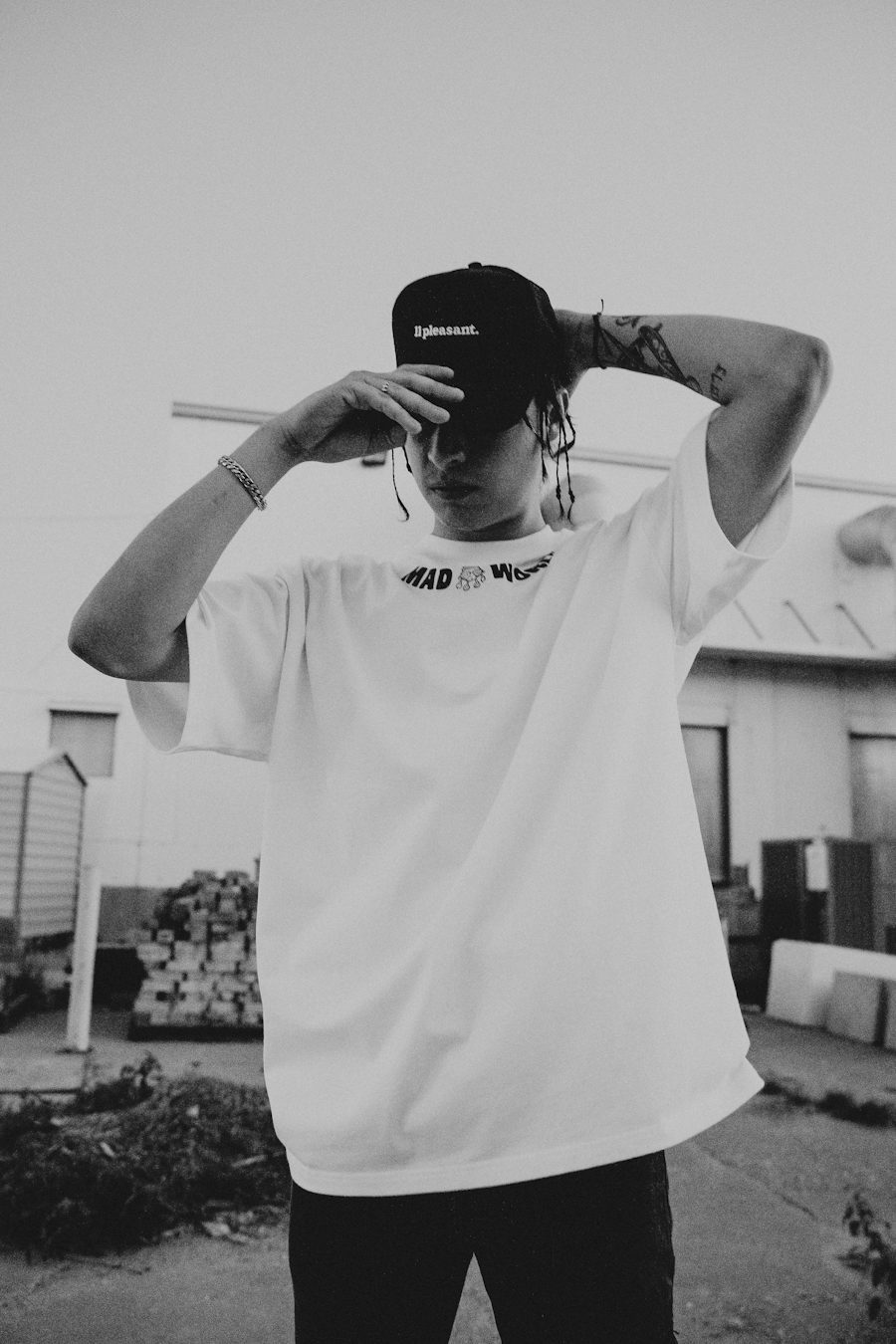
A first streetwear drop should prove more than a design idea. It should prove that your fit, materials, pricing, and production plan can work together in the real market. The most useful starting point is not a large collection. It is a clear product brief and a manufacturing partner that can help you make decisions before cash is tied up in inventory.
1. What type of customer are you?
You may be a founder with a strong visual point of view, a few garment references, and a launch date in mind, but no previous factory relationship. You may already have an audience through social media, music, art, or a local community and now want to turn that attention into a product customers can wear. Often, the first goal is a small, credible capsule: perhaps a heavyweight tee, hoodie, sweatpant, cap, or overshirt that establishes the identity of the brand.
You do not need to arrive with a perfect technical package. You do need to know who the collection is for, what feeling the product must create, the approximate price point, and the quantity you can responsibly sell. Those decisions give a manufacturer the context to recommend fabrics, construction, decoration, and a practical order structure.
Useful first brief
Include your target customer, product references, key garment categories, expected price range, estimated quantity, size range, artwork, and desired launch date. This gives the development discussion a commercial starting point as well as a creative one.
2. What challenge are you facing right now?
New brands usually face a combination of uncertainty: high minimum order quantities, unfamiliar sample fees, inconsistent online quotes, and too many product options. A factory may quote an attractive unit price only at a quantity that creates unnecessary stock risk. Another may accept a small order but leave the fabric, measurements, print process, and packing requirements undefined.
The real challenge is turning creative references into specifications that can be repeated. A vintage-inspired wash, oversized shoulder, puff print, woven label, or heavyweight hand feel can look simple in a mood board while requiring specific choices in fabric, pattern, decoration, and finishing. If those choices are not documented during development, the first bulk order can drift away from the product you approved.
3. How can Chanjoye support you?
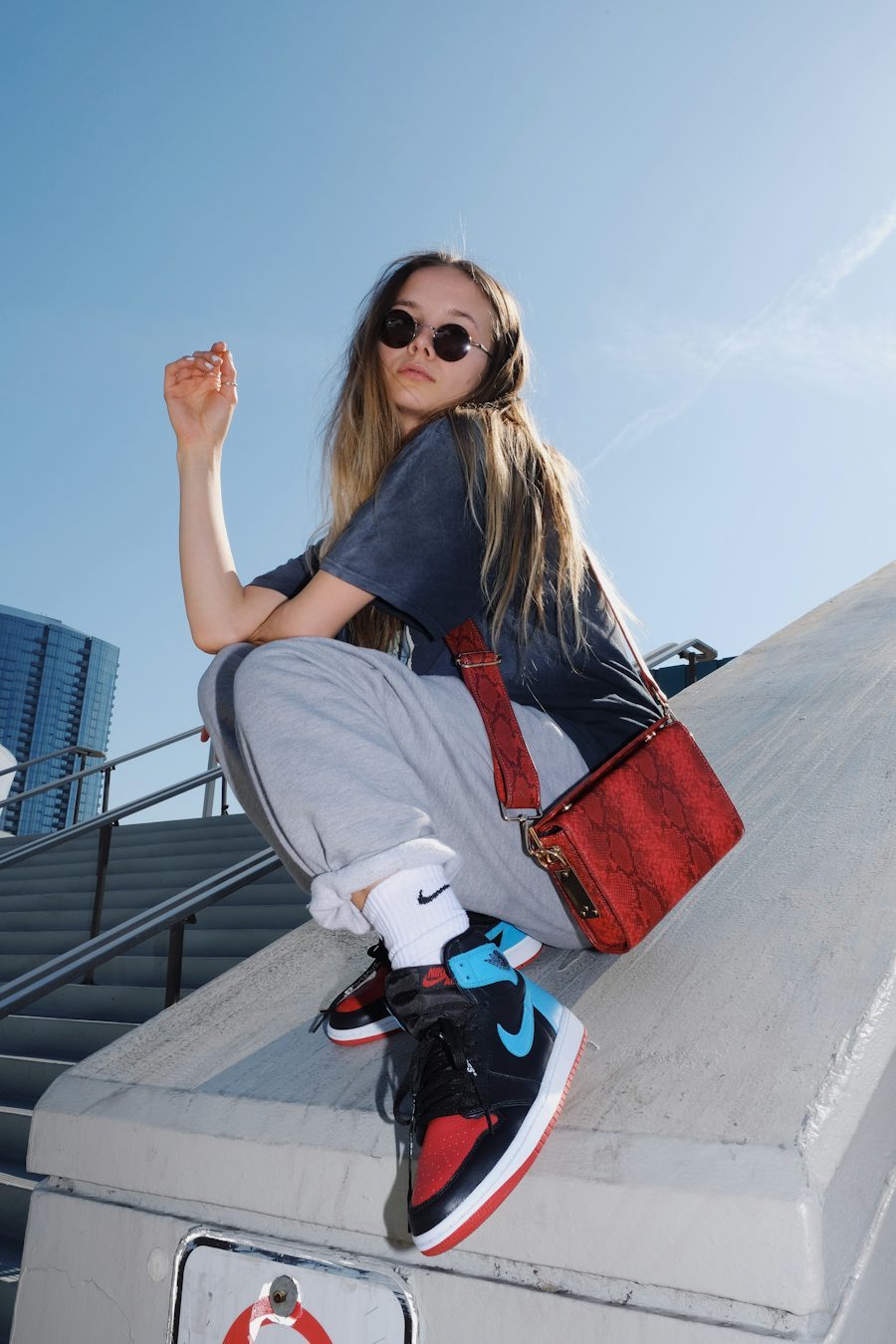
Chanjoye can help turn an early concept into a focused product plan. Start with the intended customer, reference images, target garment categories, artwork, color direction, estimated quantities, and delivery window. From there, the team can help identify a sensible first assortment, compare suitable fabrics and constructions, and explain which custom elements have the greatest impact on both brand identity and cost.
For a new label, the objective is not to add every possible detail. It is to put effort into the details customers will actually notice: fit, fabric hand, weight, neck rib, stitching, print quality, labels, and packaging. A defined sample stage creates a reference garment that can guide bulk production and later reorders.
4. What does the collaboration model look like?
Most first-drop projects work best as a guided OEM development program. You bring the brand direction and commercial priorities; Chanjoye helps translate them into a production-ready brief, develops samples, and manufactures after approval. If speed is more important than building a fully original pattern, an existing base style can also be adapted with your colors, branding, trims, or decoration. This can reduce early development work while you validate demand.
The right model depends on the role of the garment. A signature hoodie may justify original fit development and more sampling. A supporting tee or cap may be better built from a proven base with strong branding. Separating those choices lets a young brand protect cash without making the collection feel generic.
5. What is the collaboration process?
- Project brief: Share your reference images, logo files, target products, quantity, size range, price direction, and deadline.
- Product planning: Confirm the garment construction, fabric options, decoration method, color, labels, and packing requirements.
- Quotation and development: Review pricing, development scope, sample timing, and MOQ by style and color before moving ahead.
- Sampling and revision: Assess the sample for fit, hand feel, artwork placement, workmanship, and wash result. Record approved changes clearly.
- Bulk approval and production: Confirm the final specification, size breakdown, and production schedule. Use the approved sample as the quality reference.
- Inspection and shipment preparation: Check garments, labels, packaging, carton details, and order quantities before the goods are released.
6. What will you receive in the end?
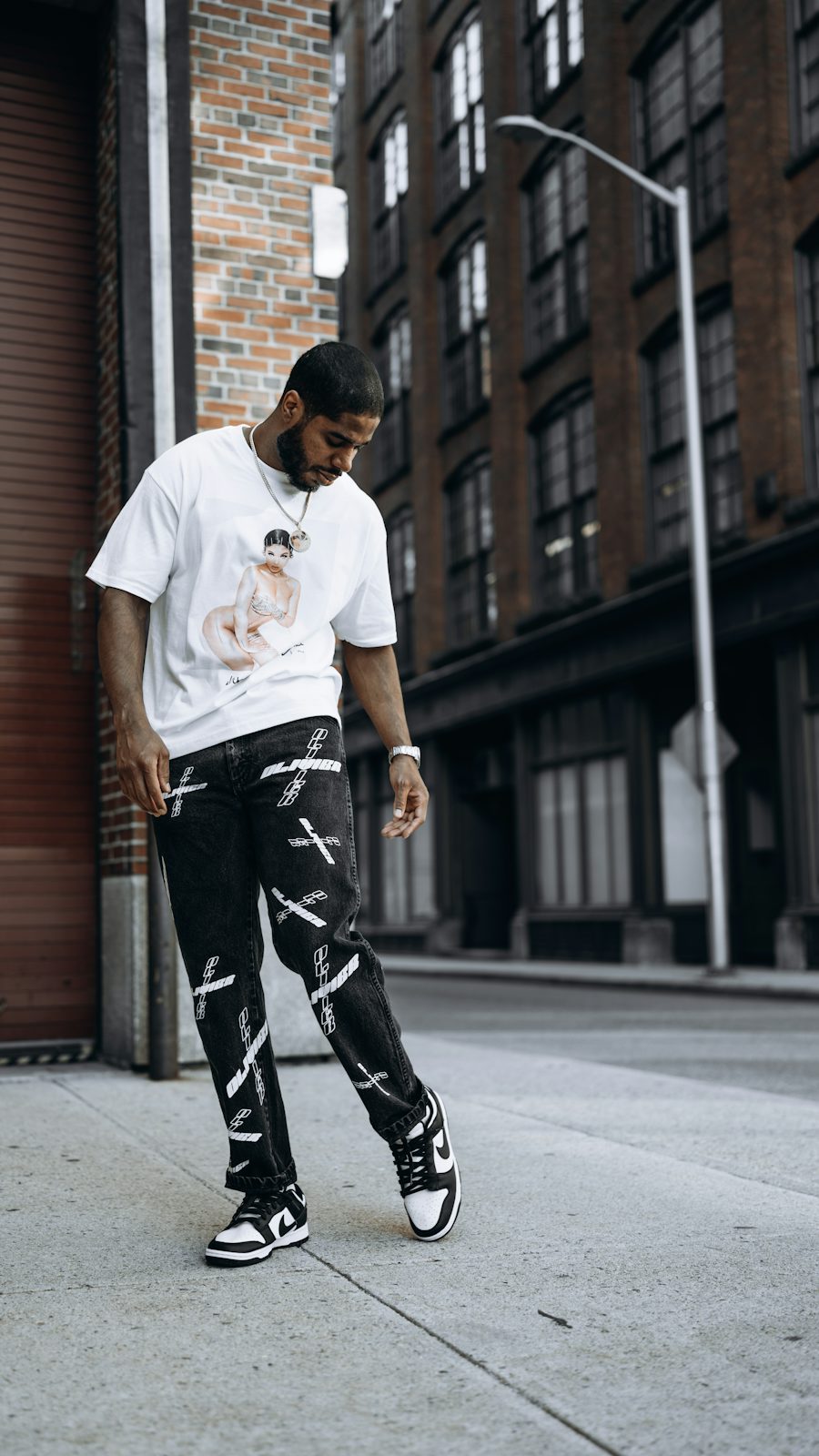
You receive more than a finished first drop. You gain an approved product standard, clearer knowledge of your real production costs, and a basis for making the next order with more confidence. The strongest outcome is a product customers can recognize and a specification that can be reproduced instead of rebuilt from memory.
After launch, sell-through and customer feedback can guide the next step: repeat the winning style, improve one fit point, add a colorway, or expand the collection carefully. That is a more durable way to grow than placing a large first order based only on assumptions.
7. Contact us
Send Chanjoye your product references, logo or artwork files, target quantity, preferred materials, and target launch date. If you already have a tech pack, include it. If you do not, a clear reference set and a concise explanation of your brand direction are enough to begin a practical conversation.
Discuss your first streetwear drop or contact the Chanjoye team to start planning your collection.