Short Sleeve vs Long Sleeve Tees: Which Style Sells Better for Your Clothing Line?
- Share
- publisher
- Chanjoye
- Issue Time
- Jul 7,2026
Summary
Compare short sleeve and long sleeve T-shirt styles for your clothing line. Learn which sells better, seasonal demand patterns, and how to balance your collection for maximum profit.
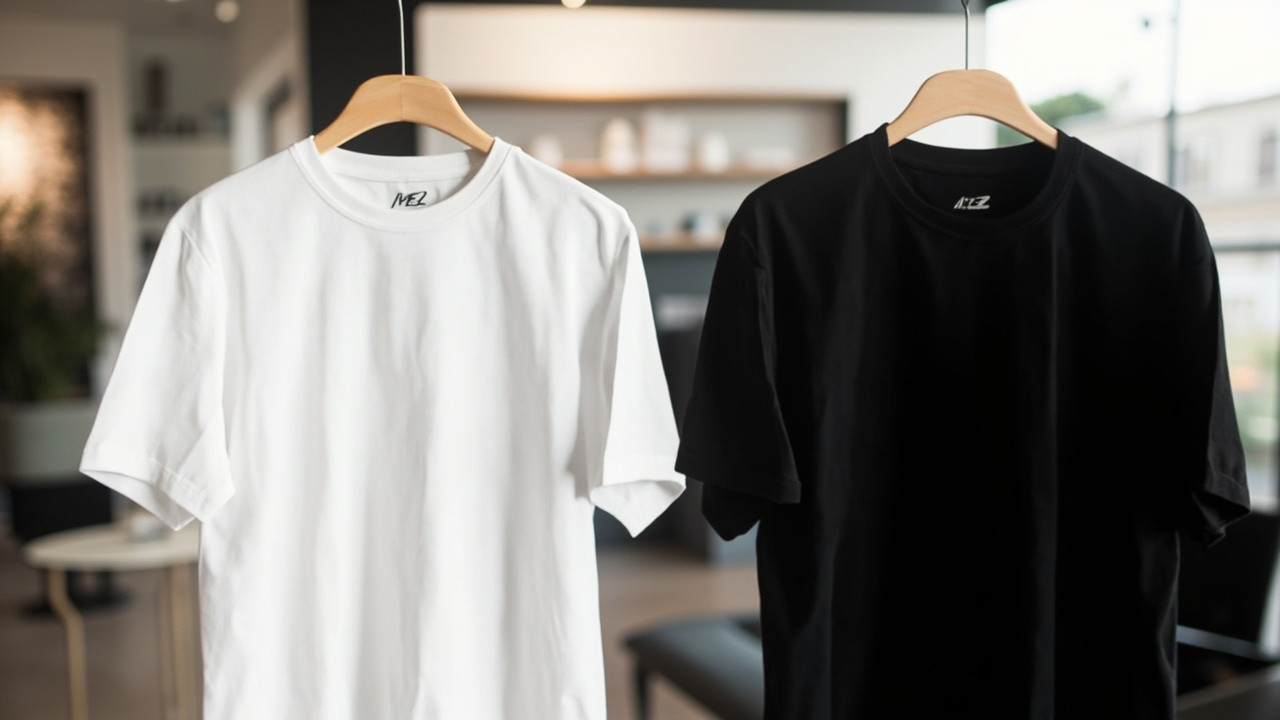
Every clothing brand founder reaches a moment when staring at a blank collection plan: should I invest in short sleeve tees, long sleeve tees, or both? It sounds like a simple question — after all, they're just sleeves, right? But the data tells a different story. The sleeve length you choose directly impacts your production costs, seasonal cash flow, target demographic reach, and ultimately, your profit per unit. Get it wrong, and you could end up sitting on hundreds of unsold pieces while your ideal customers scroll past to a competitor who understood the assignment.
The global custom T-shirt market continues to expand at a remarkable pace, with the broader apparel market projected to surpass $2 trillion by 2027, according to industry analysis from Statista. Within that massive pie, T-shirts — both short and long sleeve — remain the single most-produced garment category worldwide. But here's the nuance: short and long sleeve tees serve fundamentally different consumer needs, seasonal cycles, and brand positioning strategies. Brands that treat them as interchangeable are leaving money on the table.
At Chanjoye, a leading high-end custom streetwear manufacturer with over 20 years of experience serving premium and luxury streetwear brands worldwide, we've helped hundreds of emerging and established labels navigate this exact decision. In this comprehensive guide, we'll break down the sales data, seasonal demand curves, manufacturing cost differentials, and strategic frameworks you need to build a sleeve-optimized collection that maximizes both sell-through rate and brand equity.
1. Understanding Consumer Demand: Short Sleeve vs Long Sleeve Sales Data
Let's start with the numbers that matter. Across global e-commerce platforms and retail channels, short sleeve T-shirts consistently account for approximately 65-75% of total T-shirt unit sales, while long sleeve tees capture the remaining 25-35%. This ratio shifts significantly by region, season, and demographic segment — but it provides a baseline for collection planning.
According to the OEKO-TEX Association's market monitoring and broader textile industry reports, short sleeve tees dominate in sheer volume due to their year-round versatility in warm climates and their role as the default blank canvas for graphic designs and brand messaging. However, a critical detail often overlooked: long sleeve T-shirts consistently command 15-30% higher average retail prices than comparable short sleeve styles, meaning their revenue contribution often outpaces their unit share.
What's particularly interesting in 2026 is the growing convergence between these categories driven by streetwear layering culture. The trend of wearing a long sleeve tee underneath a short sleeve tee — popularized by skater culture in the 1990s and now ubiquitous across streetwear — has created a complementary demand dynamic where both styles feed into each other's sales, rather than cannibalizing them.
2. Seasonal Performance: When Each Sleeve Style Dominates
Seasonality is the single most important factor in sleeve-length inventory planning. The data paints a clear, predictable picture that successful brands build their production calendars around:
| Season | Short Sleeve Demand | Long Sleeve Demand | Strategy Insight |
|---|---|---|---|
| Spring (Mar–May) | High — Rising | Moderate — Declining | Transition period; stock both, lean toward short sleeve restocks in May |
| Summer (Jun–Aug) | Peak — Maximum | Low — Minimum | Heaviest short sleeve focus; lightweight long sleeves for evening/coastal wear only |
| Fall (Sep–Nov) | Moderate — Declining | High — Rising | Pivot toward long sleeve; layer-friendly weights gain traction |
| Winter (Dec–Feb) | Low — Baseline | Peak — Maximum | Long sleeve dominates; heavier GSM fabrics preferred |
The seasonal arc isn't just about temperature — it's about consumer psychology and buying behavior. Spring sees consumers refreshing wardrobes, making short sleeves an impulse-friendly category. Fall triggers layering behavior, where long sleeves become the foundational piece under hoodies, jackets, and overshirts. A brand that understands this rhythm can time their drops to capture peak demand windows for each style.
The World Trade Organization's textile trade data confirms that global T-shirt export volumes peak during Q2 (April–June) as brands stock up for summer short-sleeve demand, with a secondary peak in Q4 (October–December) for long-sleeve winter inventory. Building your production schedule in alignment with these macro cycles ensures you're not manufacturing the wrong product at the wrong time — a mistake that ties up working capital and forces markdowns.
3. Cost and Manufacturing: The Real Price Difference Between Short and Long Sleeve Tees
Let's talk numbers that directly affect your margins. A long sleeve T-shirt typically costs 12-20% more to manufacture than an equivalent short sleeve tee. This premium comes from three components:
- Fabric consumption — The most obvious factor. Long sleeves require approximately 25-35% more fabric than short sleeves for the same body size. Sleeve panels add material cost plus cutting and sewing labor.
- Construction complexity — Long sleeves involve cuff hemming or ribbing, which adds at least one additional sewing operation per sleeve. While not dramatically complex, this increases labor minutes per garment.
- Pattern and grading considerations — Long sleeve patterns require precise sleeve cap and armhole matching to ensure proper range of motion. Poorly constructed long sleeves lead to restricted movement and higher return rates.
At Chanjoye, we manufacture both styles with the same meticulous attention to detail, using premium 200-300 GSM combed cotton and reinforced stitching throughout. The key insight for brand owners: the 12-20% higher manufacturing cost for long sleeves is typically offset by a 20-40% higher retail markup opportunity, meaning long sleeves can actually deliver better absolute profit per unit — provided you position them correctly and sell them in-season. For more on fabric quality and its impact on your brand, explore our full range of custom apparel.
4. Fabric Selection: How Sleeve Length Affects Material Choices and GSM
Sleeve length isn't just an aesthetic decision — it directly influences which fabrics work and which don't. Here's what you need to know:
Fabric Weights by Sleeve Style
- Short Sleeve Optimal GSM Range: 160–240 GSM — Lightweight enough for summer wear but substantial enough to avoid transparency and maintain structure. Premium streetwear brands typically spec 200-220 GSM for a premium drape that won't cling or wrinkle excessively.
- Long Sleeve Optimal GSM Range: 180–300 GSM — The extra coverage of long sleeves means you can go heavier without making the garment uncomfortably warm. Winter-weight long sleeves at 260-300 GSM provide substantial warmth and durability.
Fabric composition also shifts by sleeve style. Short sleeve tees are frequently made from 100% cotton or cotton-elastane blends for breathability, while long sleeve tees increasingly incorporate cotton-polyester blends (80/20 or 60/40) for shape retention through multiple wears and washes. The sleeve's constant movement and stretching around the elbow means long sleeve tees benefit from fabrics with better recovery properties.
Organic and sustainable certifications matter across both styles. The Global Organic Textile Standard (GOTS) certification has become a baseline expectation for premium streetwear consumers, with 67% of fashion shoppers in a recent survey indicating they consider sustainability credentials when purchasing. Chanjoye offers GOTS-certified organic cotton options across all our T-shirt styles, ensuring your brand meets the growing consumer demand for transparency and environmental responsibility.
5. Streetwear Context: How the Layering Trend Is Changing the Game
The streetwear ecosystem has reshaped how consumers think about sleeve length entirely. The iconic look — a long sleeve white tee layered under a short sleeve graphic tee — has transformed long sleeve tees from a purely functional winter garment into a year-round styling essential. This has profound implications for demand forecasting:
Data from fashion retail analytics shows that long sleeve T-shirt sales during Q2 and Q3 (traditionally off-season) have grown 18-22% year-over-year since 2023, driven almost entirely by the layering trend. Consumers are buying long sleeve tees in summer not for warmth, but for silhouette, contrast, and brand expression through layered looks.
"The long sleeve tee has become the white canvas of streetwear. It's not competing with short sleeves — it's completing them. The brands that understand this complementary relationship are the ones seeing the strongest per-customer revenue."
This layering-driven demand means that smart brands now design long sleeve tees with specific features for layering compatibility: closer-fitting sleeves that slide easily under short sleeve tees, minimal branding on the sleeves themselves, and ribbed cuffs that don't create bulk. At Chanjoye, our design team works closely with brand partners to engineer long sleeve silhouettes specifically optimized for this streetwear styling approach, ensuring the garment performs as intended in its most common use case. Learn more about our approach to streetwear manufacturing on our About Us page.
6. Profit Margin Analysis: Which Sleeve Style Delivers Better ROI?
Let's run the numbers with real-world figures to compare profit potential:
| Metric | Short Sleeve Tee | Long Sleeve Tee |
|---|---|---|
| Manufacturing Cost (240 GSM Combed Cotton, 200 pcs) | $6.50–$8.50 | $7.80–$10.20 |
| Avg. Brand Retail Price | $35–$55 | $48–$75 |
| Gross Margin Per Unit | $26.50–$48.50 | $37.80–$67.20 |
| Inventory Risk (Seasonal) | Lower — Strong year-round baseline demand in warm climates | Higher — More seasonal but offset by layering-driven Q2/Q3 growth |
| Customer Perceived Value | Standard — Price-sensitive | Premium — Less price-sensitive, higher willingness to pay |
| Return Rate (Industry Avg) | ~8–12% | ~10–14% (sleeve length/fit issues more common) |
The takeaway: long sleeve tees deliver higher absolute profit per unit, making them an excellent margin driver for Q4 and Q1. Short sleeve tees, meanwhile, offer higher unit volume and broader market accessibility, making them the cash-flow engine. A balanced brand portfolio leverages both: short sleeves for volume and customer acquisition, long sleeves for margin expansion and seasonal revenue diversification.
One factor often overlooked: customer lifetime value (LTV). Brands that offer both sleeve styles in cohesive collections see 25-35% higher repeat purchase rates than single-style brands, because customers who discover your brand through a short sleeve summer tee will return in fall for your long sleeve offerings — if they exist. This cross-style loyalty is where serious brand equity is built.
7. Designing for Your Target Market: Demographics and Sleeve Preferences
Sleeve preferences aren't universal — they break down along clear demographic and psychographic lines. Understanding your specific customer profile is essential for getting the mix right:
- Gen Z (18–26): Heavy lean toward oversized short sleeve tees (boxy fit, dropped shoulders) and graphic-heavy designs. Long sleeve purchases are primarily for layering — expect them to buy both styles simultaneously. This demographic drives the "short sleeve over long sleeve" look and values visual impact over material weight.
- Millennials (27–42): More balanced split. This demographic purchases premium basics in both sleeve lengths. They prioritize quality, fit consistency, and fabric feel. A well-executed 220 GSM long sleeve tee in a neutral color palette is a high-confidence purchase for this group.
- Gen X (43–58): Skews slightly toward long sleeves for perceived sophistication and coverage. More brand-loyal and less trend-driven, meaning once you earn their trust with quality, they'll return season after season.
Key Demographic Insight
If your brand targets Gen Z streetwear consumers, plan for a 55/45 short-to-long sleeve ratio with strong cross-selling positioning. If you target Millennial premium basics, lean toward a 60/40 split with emphasis on material quality messaging. Gen X-focused brands should consider a 50/50 ratio with classic fits and superior fabric stories.
8. Building a Balanced Collection: The Optimal Short-to-Long Sleeve Ratio
After analyzing sales data across dozens of our brand partners' collections, here's our recommended framework for building a sleeve-optimized T-shirt collection:
The 60/30/10 Collection Framework
- 60% Short Sleeve — Your Volume Engine: Core brand tees, graphic designs, seasonal drops. These are your customer acquisition workhorses. Prioritize multiple colorways and keep top-selling designs in continuous restock cycles.
- 30% Long Sleeve — Your Margin Driver: Premium basics in elevated fabrics (combed cotton, slub textures), minimalist branded styles, and seasonal color drops. These deliver higher margins and round out the collection for Q3–Q1.
- 10% Experimental — Your Brand Builder: Limited-edition sleeve treatments (raglan sleeves, extended cuffs, cut-and-sew panels), collaborative designs, and material innovations. These generate buzz, press coverage, and social media engagement.
This framework isn't rigid — it shifts with your brand's maturity stage. Early-stage brands with limited capital often start at 80/20 short sleeve dominant to minimize inventory complexity and maximize per-dollar return. As you scale, progressively shifting toward 60/30/10 unlocks the margin benefits of long sleeves without overextending your production budget.
For brands ready to explore both styles at scale, we offer flexible minimum order quantities starting at 50-100 pieces per style — designed for premium brands to test quality before committing to larger production runs. This allows you to validate which styles resonate with your specific audience without the risk of overcommitting. Ready to start your collection? Reach out to our team for a personalized consultation.
9. Production Quality: What Separates Premium Tees from the Rest
Regardless of sleeve length, the difference between a $25 tee and a $65 tee comes down to execution details that most consumers can't consciously identify but absolutely feel when wearing:
- Side-seam construction vs. tubular: Premium tees use side-seam construction for superior body contouring and reduced twisting after washing. Tubular (seamless body) tees are cheaper to produce but lose shape faster.
- Neck rib density and recovery: A high-quality neck rib uses 1x1 rib knit with spandex content for stretch recovery. Budget tees use lower-density ribs that bacon-neck after 3-5 washes.
- Stitch-per-inch (SPI) count: Premium manufacturing runs at 12-14 SPI for main seams versus 8-10 SPI on mass-market tees. Higher SPI means stronger seams, better drape, and longer garment life.
- Shoulder taping: A strip of fabric tape covering the shoulder seam (inside the garment) prevents stretching, adds structure, and communicates quality to anyone who looks inside the tee.
Chanjoye applies all of these premium construction standards across every garment we produce, whether it's a 180 GSM summer short sleeve or a 300 GSM heavyweight winter long sleeve. The quality markers are consistent because our brand partners' reputations depend on it. For a deeper dive into what makes custom apparel truly premium, visit our blog library for more manufacturing insights.
10. Making the Final Decision: A Practical Decision Framework
If you're launching a new collection or refreshing an existing one, use this decision framework to apply everything we've covered:
Quick Decision Matrix
- What's your primary selling season?
- Summer launch → Lead with 70%+ short sleeves, add 2-3 long sleeve styles for layering customers
- Fall/Winter launch → Lead with 60%+ long sleeves, keep 2-3 core short sleeve styles for indoor/base-layer demand
- Who's your customer?
- Gen Z streetwear → Short sleeve heavy with complementary long sleeve layering pieces
- Millennial premium basics → Balanced 60/40 mix with emphasis on fabric story
- What's your budget per style?
- Under $3,000 → 4-5 short sleeve designs, 1 long sleeve (validate the market)
- $5,000–$10,000 → 8-10 styles across both sleeve lengths, multiple colorways
- Are you set up for both decoration methods?
- Screen printing works on both equally well
- Embroidery on long sleeve cuffs creates premium detail opportunities unavailable on short sleeves
The most successful brands we've worked with at Chanjoye share one common trait: they don't choose between short and long sleeves — they strategically deploy both across seasonal drops. They use short sleeves to capture summer volume and build brand awareness, then convert those customers into higher-margin long sleeve purchases when the weather turns. This rhythm, repeated season after season, is how a streetwear startup becomes a sustainable apparel business.
Ready to Build Your Sleeve-Optimized Collection?
Chanjoye brings 20+ years of premium custom streetwear manufacturing expertise to your brand. Whether you're launching your first short sleeve capsule or expanding into premium long sleeve essentials, our team delivers meticulous craftsmanship, flexible MOQ, and competitive pricing for superior quality.
Start Your Collection →