Top 10 Factors to Consider When Choosing a Streetwear Clothing Manufacturer: CMT vs FPP Explained
- Share
- publisher
- 11
- Issue Time
- Nov 11,2026
Summary
Choosing the right streetwear clothing manufacturer is essential for building a successful fashion brand. This guide explores 10 key factors to consider, including CMT vs FPP manufacturing, fabric sourcing, customization options, MOQ, production capabilities, quality control, lead times, and costs. Learn how to build a long-term manufacturing partnership for your streetwear brand. Discover how Chanjoye supports brands with professional custom streetwear manufacturing services.
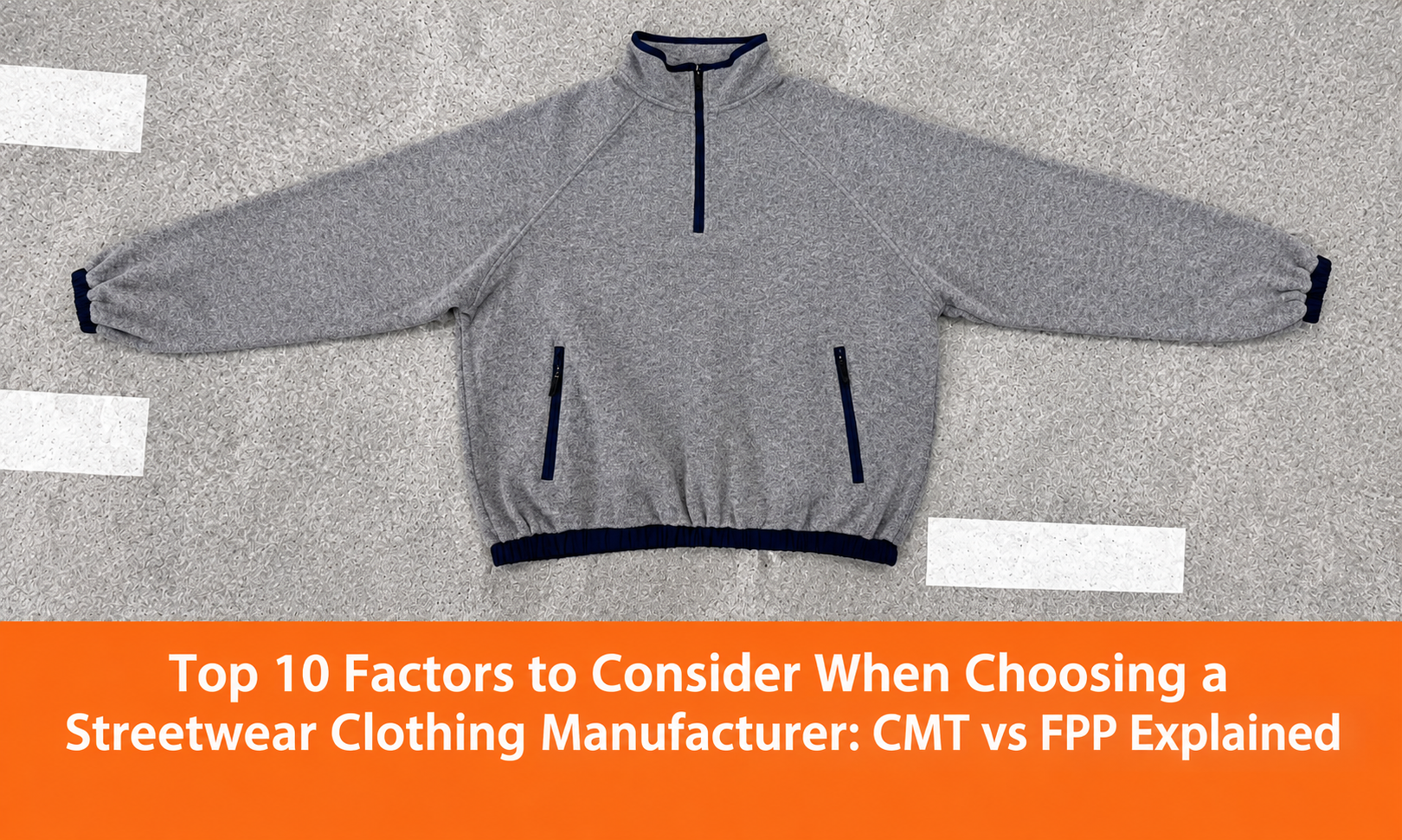
Introduction: Why Choosing the Right Clothing Manufacturer Matters
In today's competitive global fashion industry, streetwear has evolved from a clothing style into a powerful fashion movement with significant cultural and commercial influence.
From oversized T-shirts and heavyweight cotton hoodies to vintage-washed jackets and customized cargo pants, consumers are increasingly looking for distinctive designs, premium materials, and better garment construction.
For any streetwear brand, having a creative design is only the first step. The manufacturer behind the product plays an equally important role in turning creative concepts into commercially successful garments.
Many emerging fashion brands initially focus on branding, logo development, marketing, and social media promotion. However, they often underestimate the importance of manufacturing and supply chain management.
When production begins, problems such as inconsistent fabric quality, inaccurate sizing, poor printing results, delayed shipments, and differences between approved samples and bulk products can seriously affect a brand's reputation.
Streetwear manufacturing is particularly demanding because it requires more than basic garment assembly. It involves distinctive silhouettes, carefully selected fabrics, specialized decoration techniques, and consistent finishing standards.
This is why choosing an experienced streetwear clothing manufacturer is essential.
Brands should also understand different clothing production models before selecting a manufacturing partner. Two commonly used models are CMT (Cut, Make, Trim) and FPP (Full Package Production).
These approaches differ in material sourcing, cost structure, production responsibilities, and supply chain management.
So, how can you choose the right clothing manufacturer? Which production model is better for your brand? And what capabilities should you look for when evaluating a streetwear factory?
In this guide, we explore ten essential factors to help clothing brands make better manufacturing decisions, while introducing how a professional streetwear manufacturer like Chanjoye supports brands throughout the production process.
1. Choose a Specialized Streetwear Clothing Manufacturer, Not Just a General Apparel Supplier
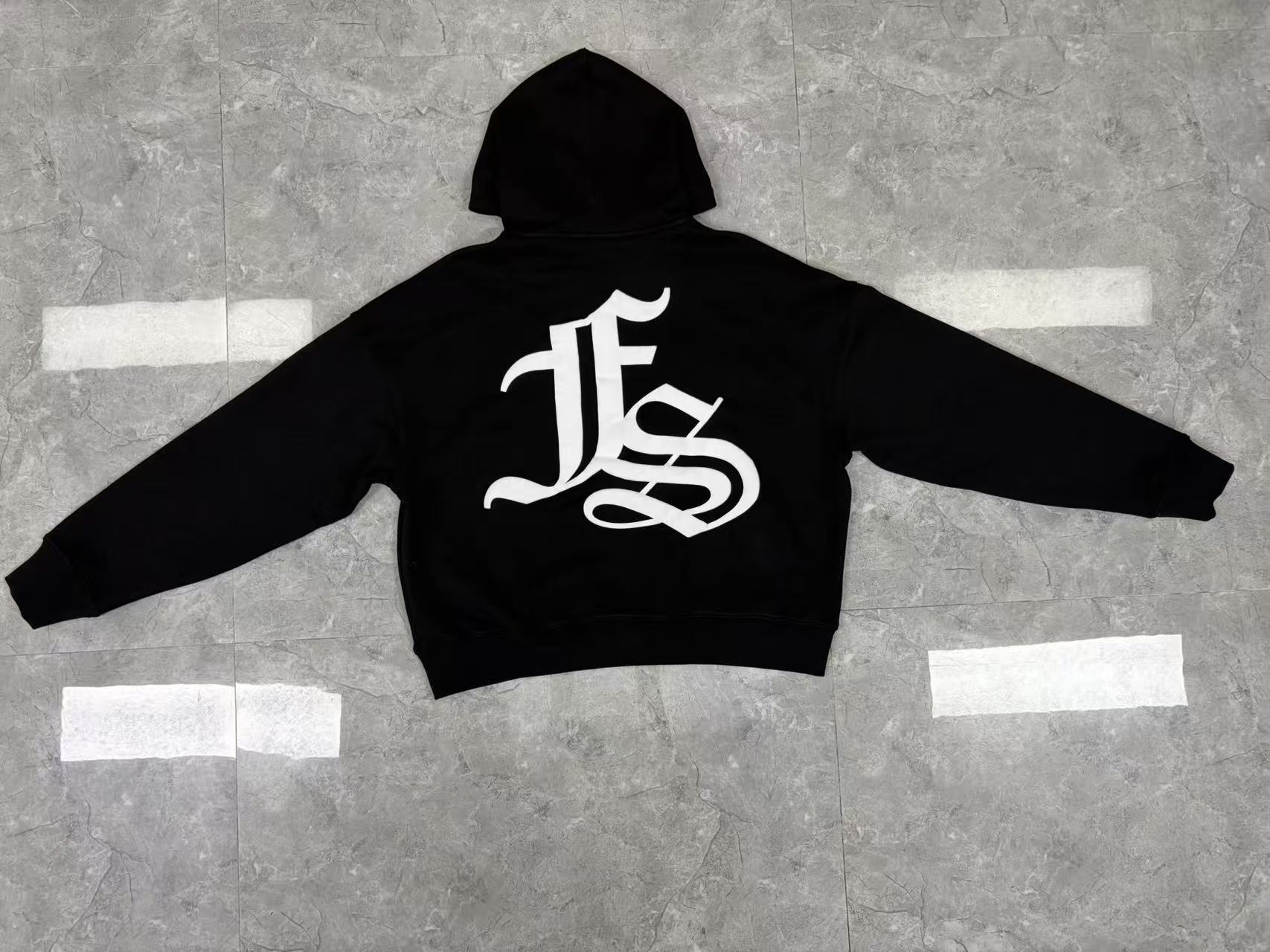
When searching for a clothing production partner, the first question brands should ask is: What makes a specialized streetwear manufacturer different from a general apparel factory?
Both types of factories may provide basic services such as cutting, sewing, pressing, and packaging. However, professional streetwear manufacturers generally need broader technical knowledge and experience with specialized garment construction.
For example, an oversized T-shirt requires more than simply increasing the width of a standard pattern. Shoulder positioning, sleeve proportions, neckline construction, and overall drape must work together to create the intended silhouette.
The same principle applies to heavyweight hoodies. Fabric weight, yarn structure, rib elasticity, hood construction, and stitching techniques all influence the finished garment.
Professional streetwear manufacturers should also understand different decoration techniques, including:
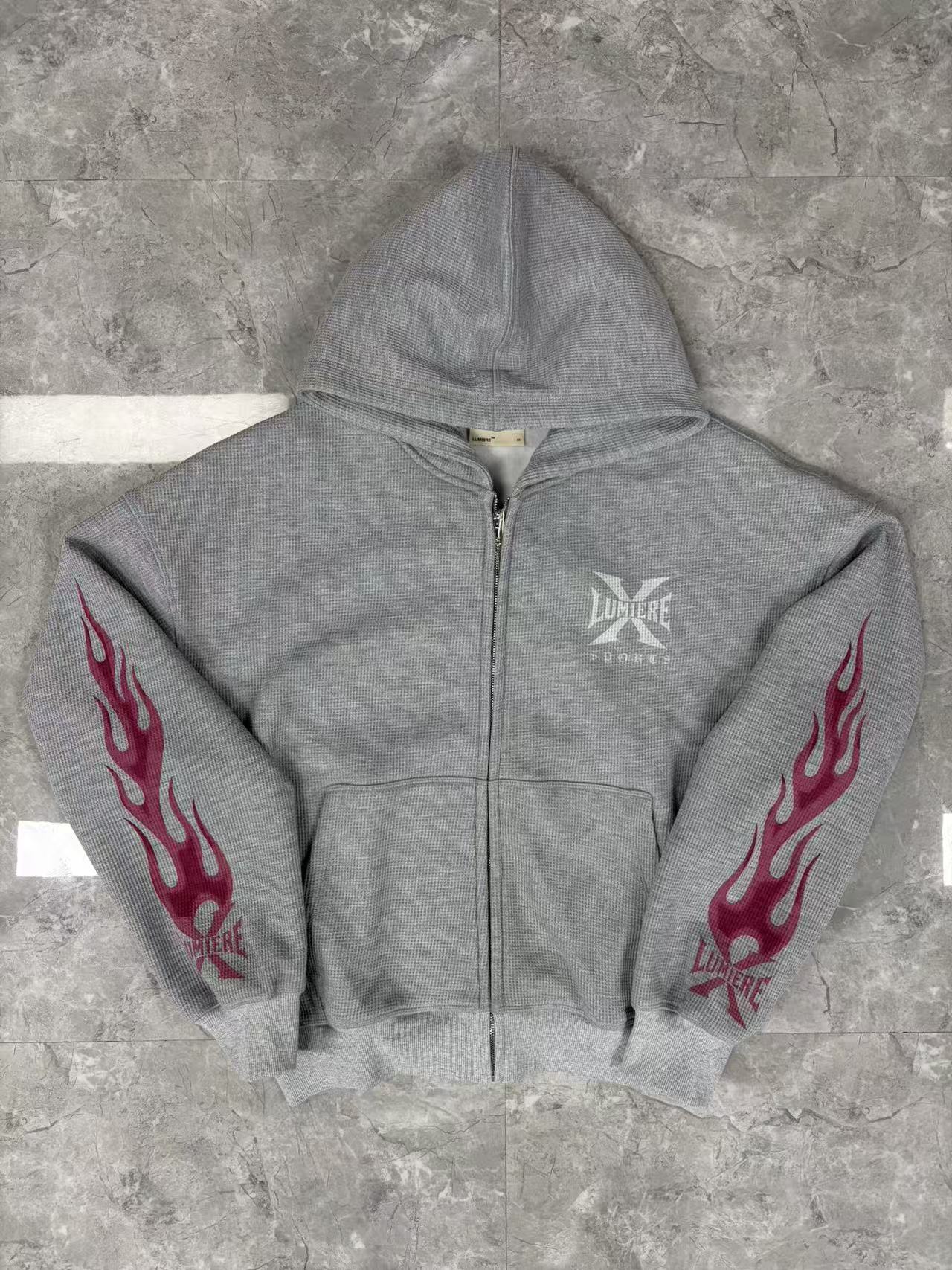
- Screen Printing: Suitable for large graphics and bulk production.
- Puff Printing: Creates raised designs with a distinctive three-dimensional texture.
- Embroidery: Adds detailed stitching for logos, lettering, and decorative elements.
- Applique: Uses additional fabric pieces to create layered designs.
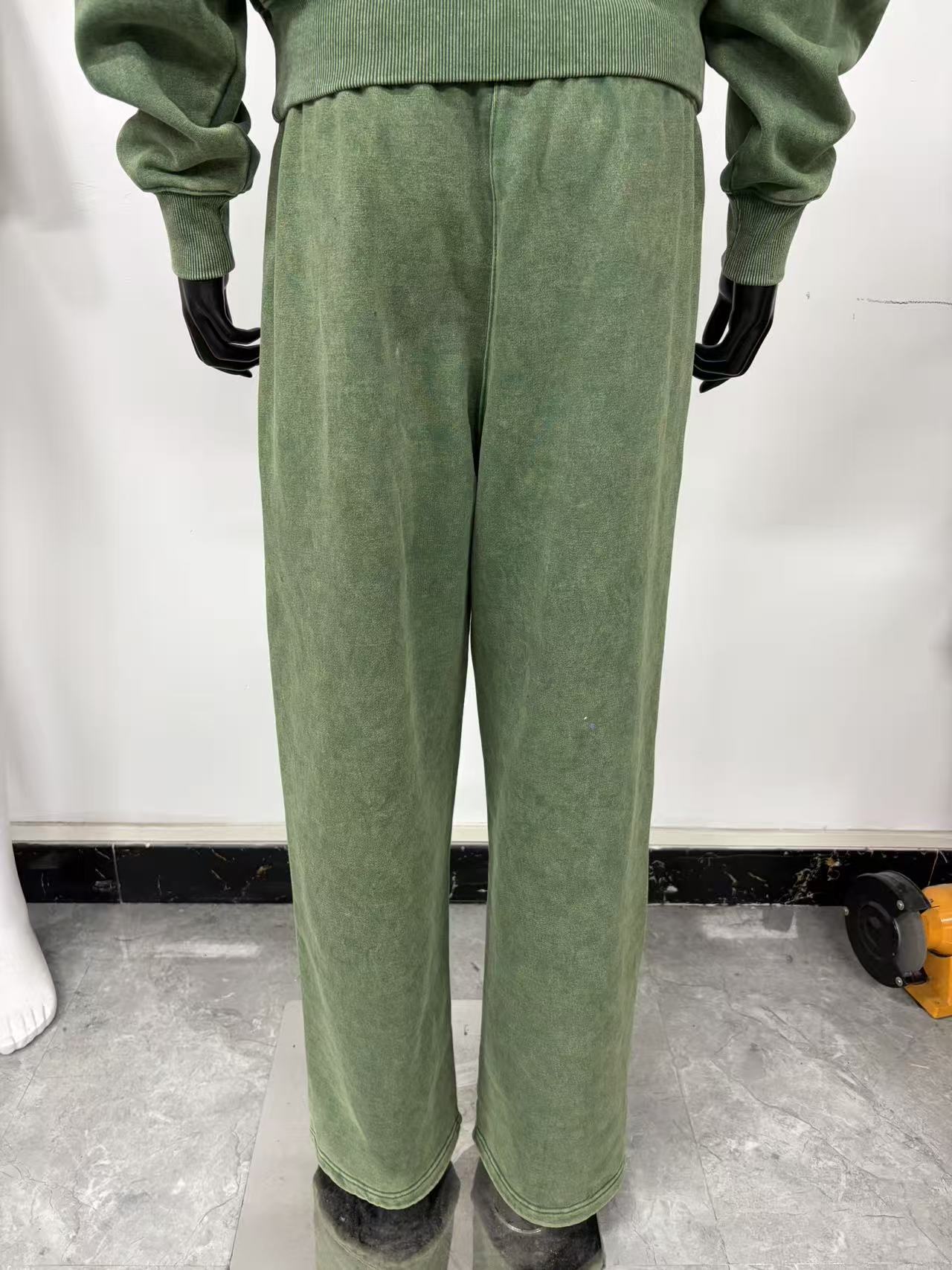
- Acid Washing: Produces distinctive vintage-inspired color effects.
- Distressed Finishing: Creates worn-in details for vintage and streetwear aesthetics.
- Garment Dyeing: Provides customized colors and unique garment appearances.
These techniques require careful coordination between fabric selection, garment construction, and production processes.
A professional streetwear clothing manufacturer should do more than follow basic production instructions. It should understand the brand's design direction, recommend suitable materials, optimize manufacturing techniques, and help maintain consistent product quality.
For brands looking for long-term manufacturing partners, practical streetwear production experience should be a priority rather than simply choosing the lowest quotation.
2. Understand CMT vs FPP: The Two Main Clothing Manufacturing Models
Before selecting a clothing manufacturer, it is important to understand the differences between CMT and FPP production.
The main distinction is who purchases the fabric and trims and who manages the different stages of production.
What Is CMT (Cut, Make, Trim)?
CMT is a clothing manufacturing model focused on cutting, sewing, and finishing.
Under this arrangement, the clothing brand generally purchases its own fabrics, zippers, buttons, labels, tapes, and other garment accessories before sending them to the manufacturer.
The factory mainly handles cutting, sewing, decoration, finishing, and packaging.
The biggest advantage of CMT is greater direct control over material sourcing and quality.
For example, a premium streetwear brand specializing in heavyweight hoodies may already work with a preferred fabric supplier. The brand may want to maintain specific fabric weights, compositions, and textures across every collection.
CMT allows the brand to retain more direct control over these purchasing decisions.
However, this model also requires more coordination.
The brand must manage relationships with fabric suppliers, trim suppliers, and garment manufacturers. Delayed fabric deliveries can affect factory schedules, while material shortages or quality problems may create additional expenses.
What Is FPP (Full Package Production)?
FPP is a full-service clothing manufacturing model in which the manufacturer coordinates most or all stages of production.
These services generally include fabric sourcing, trim purchasing, sample development, production planning, bulk manufacturing, quality inspection, and finished garment packaging.
The brand provides its designs, product specifications, technical information, and reference samples. The manufacturer then coordinates the production process according to the agreed requirements.
For emerging streetwear brands, FPP can reduce the complexity of managing multiple suppliers.
For example, a startup launching its first hoodie collection may not have an experienced sourcing team. Working with a manufacturer that provides full-package production can simplify material purchasing and production coordination.
CMT vs FPP: Key Differences
| Comparison | CMT | FPP |
| Fabric sourcing | Brand | Usually manufacturer |
| Trim sourcing | Brand | Usually manufacturer |
| Cutting and sewing | Manufacturer | Manufacturer |
Sampling | As agreed | Usually included |
Production coordination | More brand involvement | More manufacturer involvement |
Cost visibility | Separate material and labor costs | Usually one finished-garment quotation |
Material control | More direct brand control | Depends on approved specifications |
Supply chain management | More complex | More centralized |
Best suited for | Brands with sourcing teams | Brands seeking simplified production |
Which Production Model Is Better for Your Brand?
CMT may be more suitable if your brand already has reliable fabric suppliers, wants direct control over material sourcing, and has an experienced production management team.
FPP is often more convenient for startups and growing brands that want to simplify supplier management and work with one manufacturing partner.
Some brands also choose a hybrid arrangement. For example, the brand may nominate specific fabrics while the manufacturer handles purchasing coordination, production, and quality management.
The most important point is not simply comparing manufacturing quotations. Brands should evaluate fabric costs, trim expenses, transportation, inventory, communication, material waste, and quality risks.
3. Evaluate Fabric Sourcing and Material Development Capabilities
Fabric is one of the most important factors affecting streetwear quality.
Even when two hoodies have similar designs, differences in fabric weight, fiber composition, and knitting structure can create completely different results.
For example, lightweight cotton fabrics may be suitable for everyday basics, while heavyweight cotton French terry or fleece fabrics can create a thicker and more structured streetwear silhouette.
When evaluating a clothing manufacturer, brands should consider four important areas.
Fabric Weight and Composition
GSM refers to grams per square meter and is commonly used to describe fabric weight.
Different garments require different fabric specifications.
- Lightweight T-shirts require breathable and comfortable fabrics.
- Heavyweight T-shirts may use heavier cotton or blended fabrics.
- Hoodies can use French terry or fleece depending on the desired warmth and structure.
- Tracksuits generally require a balance of flexibility, breathability, and durability.
Higher GSM does not automatically mean better quality. Fabric weight must be evaluated alongside fiber composition, construction, shrinkage, and intended use.
Fabric Stability
Manufacturers should pay attention to shrinkage, colorfastness, pilling, and differences between fabric batches.
These factors become particularly important for garments involving garment dyeing, washing, or distressed finishing.
Before bulk production, necessary fabric tests should be completed and approved material specifications should be documented.
Specialized Fabric Development
Brands seeking unique products may need customized colors, textures, yarn structures, or functional fabrics.
A capable clothing manufacturer should be able to recommend suitable materials and coordinate with fabric suppliers to develop customized solutions.
Reliable Material Supply
A fabric that is readily available during the first order may become difficult to source during repeat production.
Brands should understand whether their manufacturers have reliable long-term supplier relationships and can maintain consistent fabric specifications across different production batches.
4. Evaluate OEM and ODM Services to Turn Designs into Real Products
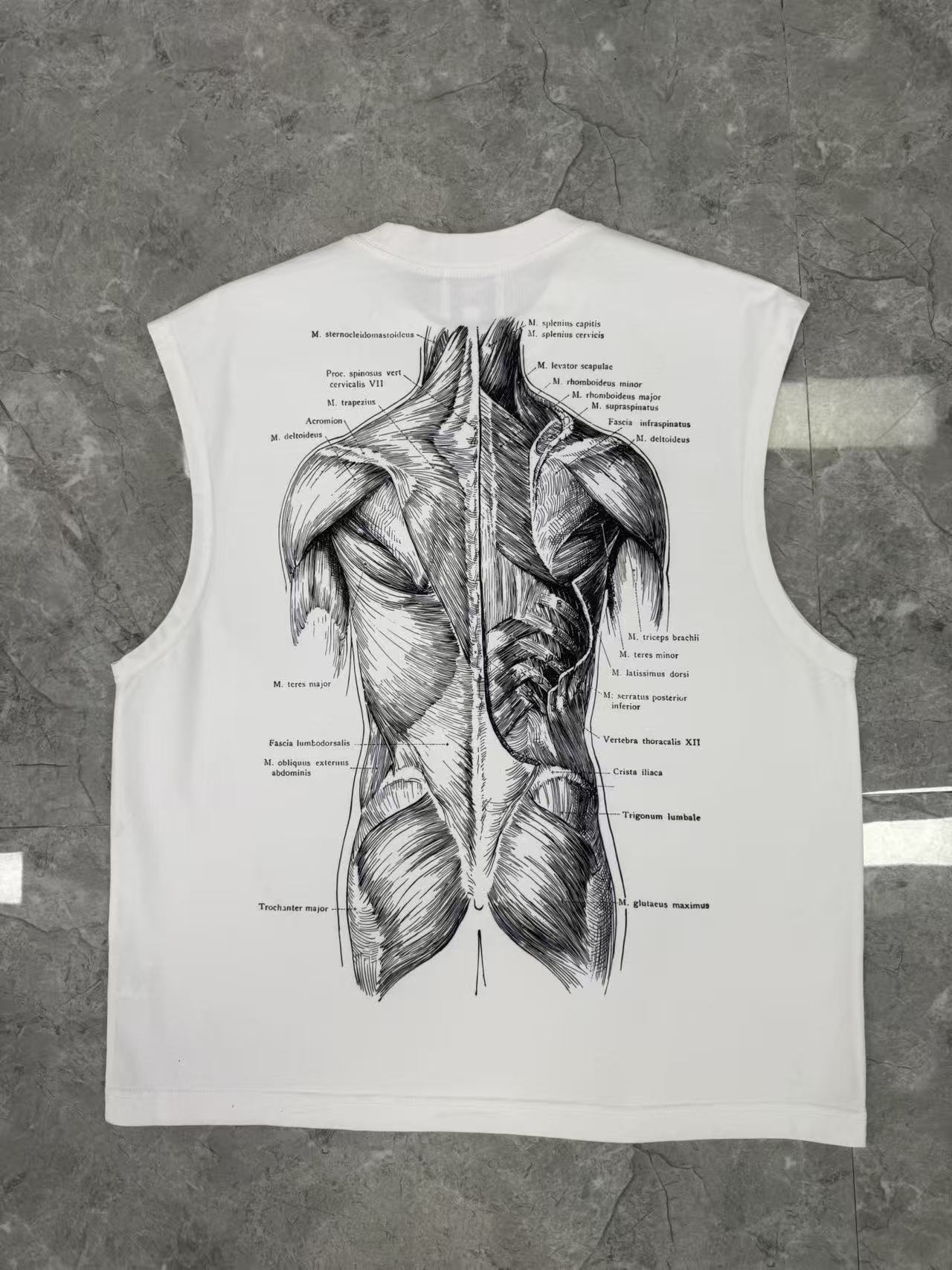
For streetwear brands, product design involves much more than graphics. It includes garment patterns, measurements, materials, decorative details, and construction.
This is why OEM and ODM services are important in clothing manufacturing.
OEM: Manufacturing Based on Brand Specifications
OEM generally means that the brand provides designs, product specifications, or technical documentation, and the manufacturer develops and produces the garments accordingly.
For example, a brand may have already designed an oversized hoodie with clearly defined requirements for:
- Fabric composition and GSM.
- Body width and garment length.
- Shoulder and sleeve measurements.
- Hood construction.
- Print placement and dimensions.
- Rib specifications.
- Washing effects.
- Labels and packaging.
The manufacturer develops samples based on these specifications and proceeds with bulk production after approval.
OEM is particularly suitable for brands with established design teams and clearly defined product requirements.
ODM: Design and Development Support from Manufacturers
ODM generally involves manufacturers providing product design and development support based on the customer's brand positioning and requirements.
For example, a new streetwear brand may have a general concept for a vintage-inspired hoodie collection but lack a complete technical design.
A professional manufacturer can help select fabrics, adjust garment patterns, recommend decoration techniques, and transform the initial concept into a production-ready product.
Why Are OEM and ODM Capabilities Important?
Many clothing brands do not have complete in-house technical development teams.
If a factory only handles basic garment processing, complex pattern adjustments, specialized material development, and customized finishing may become difficult.
A capable clothing manufacturer should connect creative design with practical manufacturing.
Chanjoye's official website showcases professional design support, one-to-one design services, 3D sample design, and OEM/ODM customization.
These services can help streetwear brands develop distinctive products while improving communication between design and production teams.
5. Consider MOQ and Production Flexibility to Reduce Inventory Risks
MOQ, or Minimum Order Quantity, is one of the most important factors in clothing sourcing.
Different manufacturers may have different MOQ requirements depending on garment categories, fabric sourcing, colors, production techniques, and manufacturing schedules.
For emerging streetwear brands, MOQ can determine whether launching a first collection is financially practical.
Imagine a new brand planning to release three hoodie designs in different colors.
If the factory requires a large minimum order for every style and color, the brand may need to invest heavily in inventory before testing market demand.
Working with a manufacturer that supports flexible production quantities can reduce this initial inventory pressure.
Why Should You Look Beyond the MOQ Number?
Manufacturers do not always calculate MOQ in the same way.
Some calculate it per style, others per color, while specialized fabrics, embroidery, and printing may involve additional minimum requirements.
Before requesting a quotation, brands should clarify:
1. Is MOQ calculated per style or per color?
2. Can different sizes be mixed within one order?
3. Do customized fabrics require additional minimum quantities?
4. Do specialized printing and embroidery techniques affect MOQ?
5. Are smaller repeat orders available?
6. Are there additional development charges for small orders?
Chanjoye's website currently presents a minimum order quantity of 100 pieces for certain customization services, along with batch production and larger-order capabilities.
This can be useful for brands planning to progress from initial market testing to more consistent production.
However, the actual MOQ should always be confirmed according to the specific garment, fabric, color, and customization requirements.
6. Check Manufacturing Equipment, Technical Experience, and Production Capacity
A professional clothing manufacturer needs more than production equipment. It also requires experienced workers, organized manufacturing procedures, and effective technical management.
Different streetwear products require different production capabilities.
Basic T-shirts involve fabric cutting, stitching, neckline construction, and printing. Meanwhile, workwear jackets, panelled hoodies, and multi-pocket trousers require more advanced construction and sewing experience.
Brands can evaluate a manufacturer's capabilities through several factors.
Production Equipment
If your designs require embroidery, specialty printing, or complex panel construction, check whether the factory has suitable equipment or reliable production partners.
Technical Workforce
Equipment alone cannot guarantee quality. Experienced production workers and technicians are essential, particularly when handling complex garment structures and specialized finishing techniques.
Production Flexibility
A capable manufacturer should be able to organize production according to different order sizes while maintaining realistic delivery schedules.
Manufacturing Management
Every stage, from fabric receiving and cutting to sewing, printing, pressing, and packaging, should follow an organized workflow.
Brands should request factory photographs, production videos, relevant product examples, and manufacturing process information to verify the manufacturer's actual capabilities.
7. Establish Strict Quality Control to Maintain Consistency Between Samples and Bulk Orders
Quality problems can create financial losses and damage a clothing brand's reputation.
Consumers in major Western markets often pay close attention to garment fit, fabric feel, construction details, and wearing comfort.
Therefore, brands should evaluate a manufacturer's quality control system rather than focusing only on its production capabilities.
A comprehensive garment inspection process generally covers several stages.
Fabric Inspection
Before cutting, fabrics should be checked for color consistency, GSM, surface defects, width, and relevant physical properties.
Cutting Inspection
Cutting accuracy should be monitored to prevent incorrect panel dimensions, fabric damage, and material layout errors.
Sewing Inspection
Inspect stitch density, seam strength, construction details, and alignment.
Printing and Embroidery Inspection
Check artwork placement, dimensions, color, clarity, and durability against the approved sample.
Garment Measurement Inspection
Measure garment length, chest width, shoulder width, sleeve length, and other important dimensions according to the approved size chart.
Final Appearance Inspection
Check for stains, loose threads, damaged fabric, color differences, and construction defects.
Packaging Inspection
Verify hangtags, care labels, size labels, brand labels, and packaging requirements.
Chanjoye's official website highlights eight quality inspection procedures, including fabric testing, colorfastness checks, and finished garment appearance inspections.
Choosing a manufacturer with documented inspection procedures can improve production transparency and reduce uncertainty during bulk manufacturing.
However, approving a sample does not automatically guarantee that every bulk garment will meet the same standard. Brands should establish written acceptance criteria and arrange appropriate in-process and final inspections.
8. Evaluate Delivery Time, Supply Chain Coordination, and Logistics
For streetwear brands, product launch schedules are closely connected to marketing campaigns and seasonal demand.
If new products are not manufactured on time, brands may miss important sales opportunities, promotional activities, or collection launches.
Manufacturing efficiency depends on more than sewing speed. It also involves effective coordination throughout the supply chain.
A customized garment generally passes through the following stages:
1. The customer provides designs and product requirements.
2. The manufacturer reviews technical specifications and prepares a quotation.
3. Fabrics and trims are sourced.
4. Samples are developed and approved.
5. Bulk production is scheduled.
6. Cutting, sewing, and specialized finishing are completed.
7. Finished garments undergo quality inspection.
8. Products are packaged and shipped.
Every stage can affect the final delivery date.
Customized fabrics may require longer sourcing periods. Complex washing processes may require additional testing. Repeated sample revisions may also extend the overall development schedule.
Before starting production, brands should confirm:
- Sample development time.
- Fabric sourcing time.
- Bulk production lead time.
- Production scheduling and order updates.
- Quality inspection time.
- Packaging time.
- International shipping time.
Chanjoye's website highlights customized packaging, logistics cooperation, and order tracking services.
Brands should request a clear production schedule and establish regular communication with their manufacturing partner to monitor order progress.
9. Compare the Real Production Cost Instead of Choosing the Lowest Quotation
Price is an important factor when choosing a clothing manufacturer.
However, the lowest quotation does not necessarily represent the lowest overall production cost.
Brands should compare the complete cost of manufacturing rather than focusing only on the factory's unit price.
CMT Cost Structure
Under CMT production, brands generally need to calculate:
- Fabric purchasing costs.
- Trim purchasing costs.
- Material transportation.
- Cutting and sewing charges.
- Printing, embroidery, and washing costs.
- Packaging expenses.
- Material wastage.
- Additional supply chain management costs.
FPP Cost Structure
FPP generally combines material sourcing, trims, manufacturing, and related services into one finished-garment quotation.
The manufacturer calculates the price according to purchasing, production, management, and service costs.
Consider the following hypothetical example.
| Cost Item | CMT | FPP |
| Cutting and sewing | $4.00 | Included |
| Fabric | $5.00 | Included |
| Trims | $1.00 | Included |
Inbound transportation | $0.50 | Included |
Material wastage | $0.50 | Included |
Full-package quotation | — | $12.00 |
Total | $11.00 | $12.00 |
At first glance, CMT appears to save $1 per garment.
However, brands must also consider internal management time, fabric minimums, leftover inventory, material risks, and transportation coordination.
If these additional expenses are ignored, the actual cost of CMT may be underestimated.
The correct approach is to compare Total Landed Cost, rather than simply comparing the factory unit price.
For professional clothing brands, consistent quality, reasonable costs, and reliable delivery are often more valuable than choosing the cheapest quotation.
10. Choose a Clothing Manufacturer That Can Support Your Brand's Long-Term Growth
A clothing manufacturer should not simply be a supplier that completes one order. It should ideally become a long-term production partner that supports the brand's continued development.
For streetwear brands, product development is rarely a one-time activity.
A brand may begin with three T-shirt designs and gradually expand into hoodies, jackets, trousers, tracksuits, and other categories.
As the business grows, its manufacturing partner must also be able to support changing production and supply chain requirements.
Brands should evaluate several long-term factors.
Product Category Expansion
Can the manufacturer support different categories, from basic T-shirts to hoodies, jackets, trousers, and other streetwear products?
Continuous Product Development
Can the factory help develop new fabrics, improve patterns, and implement specialized techniques when new collections are launched?
Repeat Order Consistency
A successful first production run does not automatically guarantee consistent future orders. Stable material sourcing and manufacturing management are essential.
Communication Efficiency
International apparel manufacturing involves design approvals, quotations, contracts, production updates, and logistics. Clear and timely communication reduces misunderstandings.
Flexible Production Planning
Startups may prioritize small-batch production, while established brands may focus more on production capacity, delivery schedules, and supply chain stability.
An experienced clothing manufacturer should be able to provide appropriate production solutions according to each brand's development stage.
Building a long-term manufacturing relationship can reduce the time spent searching for new suppliers while improving product consistency and production efficiency.
11. How to Evaluate Whether a Clothing Manufacturer Is Worth Working With
After understanding these ten important factors, brands should establish a practical supplier evaluation process.
Before signing a production agreement, consider asking potential manufacturers the following questions:
| Evaluation Area | Questions to Ask |
| Factory capability | Do you operate your own manufacturing facility? |
| Experience | Do you have experience producing streetwear? |
| Fabric sourcing | Can you provide different fabric weights and compositions? |
Product development | Do you offer OEM/ODM and pattern development? |
Specialized techniques | Can you handle washing, embroidery, printing, and distressing? |
MOQ | What is the minimum order quantity for each product? |
Sampling | Can you provide samples for approval before bulk production? |
Quality control | Do you have documented inspection procedures? |
Delivery | Can you provide a detailed production schedule? |
Production | Do you support CMT, FPP, or hybrid arrangements? |
Brands should also request supporting information whenever possible:
- Actual factory photographs and videos.
- Relevant product manufacturing examples.
- Fabric and technique samples.
- Sample approval procedures.
- Quality inspection standards.
- Quotations and delivery schedules.
Do not rely solely on promotional photographs to judge a supplier's manufacturing capabilities. Video meetings, factory audits, third-party inspections, and sample development can provide stronger evidence.
Recommended Clothing Manufacturing Cooperation Process
1. Requirement Discussion
Share designs, reference images, product categories, estimated quantities, and target prices.
2. Technical Review and Quotation
Confirm fabrics, techniques, patterns, MOQ, production models, and estimated lead times.
3. Sample Development
Develop samples and review measurements, fabrics, colors, techniques, and overall appearance.
4. Sample Approval
Make necessary adjustments and confirm the final production specifications.
5. Contract and Bulk Production
Confirm order quantities, quality requirements, payment terms, and delivery schedules.
6. Quality Inspection and Delivery
Complete production inspections, packaging, shipment, and logistics tracking.
12. Why Choose Chanjoye as Your Streetwear Clothing Manufacturer?
In the global clothing manufacturing industry, finding a manufacturer that understands brand requirements, has professional production capabilities, and provides reliable long-term support is essential for business growth.
Chanjoye is a professional streetwear clothing manufacturer specializing in custom streetwear production services.
With more than 20 years of OEM factory experience, Chanjoye is committed to providing global clothing brands with comprehensive manufacturing services, from product design and fabric development to sampling, bulk production, and quality inspection.
Rather than focusing only on basic garment processing, Chanjoye emphasizes product development, customized techniques, and brand-specific requirements.
The goal is to help customers transform creative concepts into distinctive clothing products with commercial potential.
1. More Than 20 Years of Clothing Manufacturing Experience
Extensive manufacturing experience helps a factory understand the construction characteristics and production requirements of different garment categories.
With more than 20 years of OEM factory experience, Chanjoye provides production recommendations and customization services according to different brand requirements.
From basic T-shirts and heavyweight hoodies to casual trousers and specially finished streetwear jackets, Chanjoye aims to provide professional manufacturing support across different product categories.
Brands do not need to limit themselves to existing standard styles.
Chanjoye provides customized manufacturing services covering:
- Customized fabrics and colors.
- Customized patterns and measurements.
- Logo printing and embroidery.
- Specialized washing and distressed finishes.
- Customized zippers, buttons, and other trims.
- Brand labels, hangtags, and packaging.
By integrating design and production resources, Chanjoye helps brands create more recognizable products.
3. Flexible Production Quantities and Manufacturing Arrangements
Different brands have different business requirements.
Startups often need to control inventory risks, while established brands prioritize stable bulk production.
Chanjoye's website currently presents a 100-piece MOQ for certain customization services, together with batch production and larger-order capabilities.
Specific quantities and production arrangements can be discussed according to garment designs, materials, and manufacturing techniques.
4. Multi-Stage Quality Inspection
Quality management is an essential part of clothing manufacturing.
Chanjoye's website highlights eight quality inspection procedures covering fabric testing, production inspections, colorfastness testing, and finished garment appearance checks.
By implementing quality management throughout different production stages, Chanjoye aims to help customers reduce quality risks during bulk manufacturing.
5. Professional Teams and Supply Chain Services
Producing customized clothing requires coordination between sales, design, sampling, production, quality inspection, and logistics teams.
Chanjoye provides one-to-one customer service, design support, production coordination, customized packaging, and logistics tracking.
These services help brands reduce communication costs between different suppliers and make product development and manufacturing more efficient.
Whether you are developing your first streetwear collection or searching for a more reliable production partner for an established brand, Chanjoye aims to become a trusted clothing manufacturing partner.
13. Frequently Asked Questions About Streetwear Clothing Manufacturers
Q1: What Is a Streetwear Clothing Manufacturer?
A streetwear clothing manufacturer is a factory or production company specializing in the development, customization, and manufacturing of streetwear products.
Typical products include oversized T-shirts, hoodies, jackets, cargo pants, and tracksuits. Manufacturers may also provide customized fabrics, patterns, printing, embroidery, and washing techniques.
Q2: Which Is Better, CMT or FPP Clothing Manufacturing?
Both models have advantages.
CMT is suitable for brands with established material sourcing channels that want direct control over fabrics and trims. FPP is generally more convenient for brands seeking simplified supply chain management and centralized production coordination.
The best choice depends on your team's capabilities, order quantities, and cost structure.
Q3: How Can I Find a Reliable Custom Streetwear Manufacturer?
Start by verifying the manufacturer's actual factory capabilities and relevant production experience.
Then evaluate its fabric development, customization techniques, MOQ, sampling services, and quality control procedures.
Before placing a bulk order, request samples and establish clear technical specifications and acceptance standards.
Q4: Do Clothing Manufacturers Support Small-Batch Customization?
Some manufacturers support small-batch production, but actual MOQ requirements depend on product categories, fabric sourcing, colors, and customization techniques.
Brands should confirm minimum quantities for each style, color, and specialized material before requesting a quotation.
Q5: How Long Does Custom Streetwear Manufacturing Take?
Production time depends on garment complexity, material availability, sample revisions, and order quantity.
According to Chanjoye's website, sample production typically takes 7–15 business days, depending on the product requirements.
Bulk production requires additional time for material sourcing and manufacturing.
Q6: Can Clothing Manufacturers Provide OEM and ODM Services?
Yes. OEM generally involves manufacturing according to the brand's designs and technical specifications, while ODM includes product design and development support from the manufacturer.
Professional manufacturers can provide different services according to the brand's requirements.
Q7: How Can Brands Maintain Consistent Quality Between Samples and Bulk Production?
After approving a sample, brands should establish formal production specifications covering fabric requirements, colors, measurements, tolerances, printing positions, and sewing details.
Material inspections, in-process quality checks, and final garment inspections can help reduce differences between approved samples and bulk orders.
Conclusion: Choose the Right Manufacturer to Build a Stronger Streetwear Brand
In the global streetwear market, competition is not determined by design and marketing alone. Product quality, supply chain efficiency, and manufacturing capabilities also play important roles.
Choosing the right clothing manufacturer can help brands reduce production risks, improve product development, and establish a more reliable supply chain.
From choosing between CMT and FPP to evaluating fabric sourcing, OEM/ODM services, MOQ, production capacity, and quality control, every factor deserves careful consideration.
For brands searching for a professional streetwear clothing manufacturer, the ideal partner should do more than complete production orders. It should understand the brand's product positioning and provide ongoing support throughout product development and bulk manufacturing.
As a professional streetwear clothing manufacturer with more than 20 years of OEM factory experience, Chanjoye is committed to providing global brands with customized streetwear manufacturing services through product development, flexible production, and quality management.
If you are planning to launch a new streetwear collection or searching for a reliable OEM/ODM clothing manufacturing partner, visit Chanjoye's official website to explore its customization services.
Turn Your Streetwear Ideas into Reality with Chanjoye!
📞 Phone: [86-15015158179]
📧 Email: [info@chanjoye.com]
🌐 WhatsApp:[https://wa.me/8618025298509]
Click the link above to start designing your custom streetwear today. We can’t wait to help you express your bold style!