Varsity Jackets Are Back: How to Design Custom Letterman Jackets That Sell
- Share
- publisher
- Chanjoye
- Issue Time
- Jul 28,2026
Summary
Varsity jackets are experiencing a major comeback in streetwear. Learn how to design custom letterman jackets with modern appeal, from material selection to embellishment techniques.
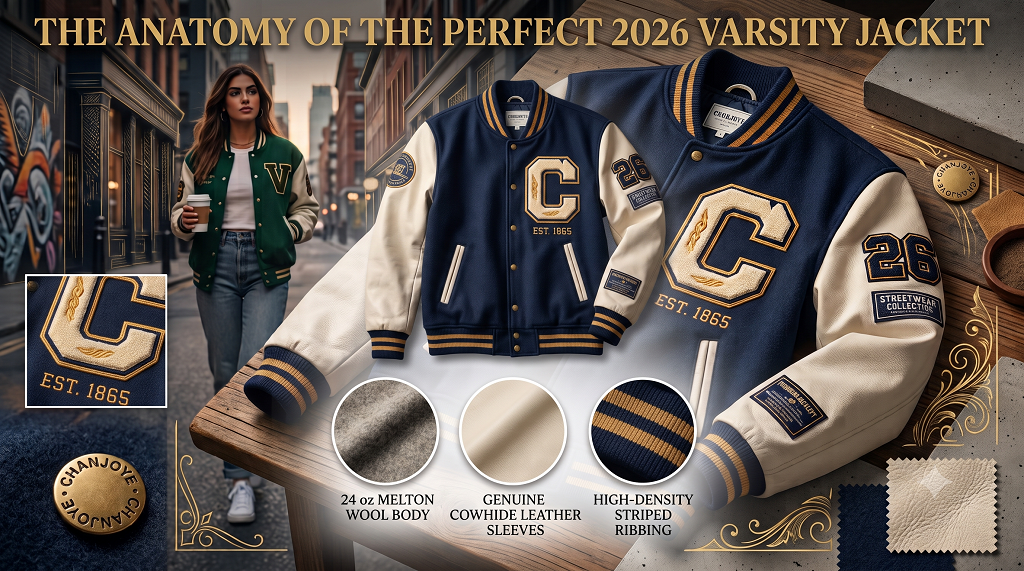
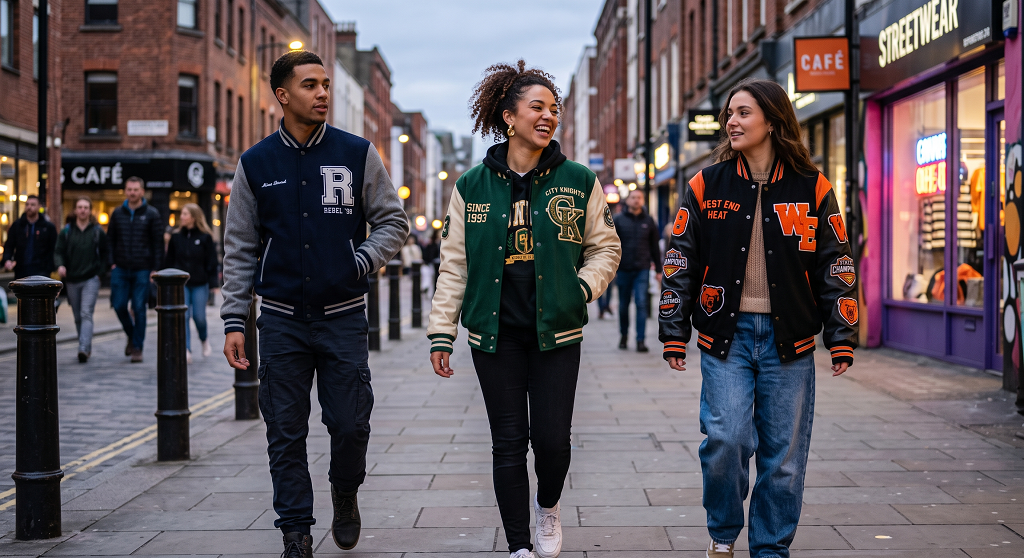
The varsity jacket—also known as the letterman jacket—has shed its high school exclusivity and reemerged as one of streetwear's most coveted silhouettes. What was once a trophy reserved for athletic achievement is now a canvas for fashion expression, worn by everyone from A-list celebrities to underground streetwear enthusiasts. If your clothing line hasn't considered adding custom varsity jackets to your collection, you may be leaving significant revenue on the table. The numbers tell a compelling story. Global search interest in "varsity jacket" has climbed steadily since 2023, with a pronounced spike during the Fall/Winter 2025–2026 season. Fashion search platform data indicates that varsity and letterman jacket queries grew by approximately 43% year-over-year, making it one of the fastest-growing outerwear categories in streetwear. The comeback is not limited to one demographic: Gen Z consumers, millennials revisiting nostalgic aesthetics, and luxury fashion houses have all contributed to the resurgence. What's driving this revival? Several factors converge: the broader Y2K and preppy revival trend, celebrity endorsements from musicians and athletes, and a collective desire for garments that carry personal meaning and craftsmanship. Unlike fast-fashion pieces that feel disposable, a well-made varsity jacket signals permanence, identity, and belonging—values that resonate deeply with today's consumers. For brands that get the design right, this represents a genuine opportunity to capture margin-rich sales in a category where quality perception directly drives pricing power. The varsity jacket occupies a unique space in fashion: it is simultaneously nostalgic and forward-looking. Its roots trace back to 1865, when the Harvard University baseball team first awarded letterman sweaters to standout players. By the 1930s, the wool-body, leather-sleeve configuration we recognize today had become the standard. This heritage gives the varsity jacket an authenticity that purely trend-driven garments can never replicate. Unlike many fashion items that cycle in and out every few seasons, the varsity jacket has demonstrated remarkable staying power. It survived the transition from athletic wear to casual fashion in the 1980s, was adopted by hip-hop culture in the 1990s and 2000s, and has now been reinterpreted by luxury houses and independent streetwear labels alike. This multi-generational appeal means your customer base spans a wider age range than almost any other outerwear category. From a brand-building perspective, the varsity jacket offers something rare: a garment that customers form emotional attachments to. People remember their first letterman jacket. They associate it with achievement, belonging, and identity. When your brand delivers a custom varsity jacket that captures this emotional resonance, you are not just selling a piece of clothing—you are selling a keepsake. This emotional dimension translates into higher willingness to pay, stronger brand loyalty, and organic word-of-mouth marketing as wearers become walking billboards for your label. Understanding the material composition of a varsity jacket is the foundation of designing one that sells. The classic varsity jacket consists of several distinct components, each requiring careful specification. Getting any of these wrong can compromise the entire garment's quality perception—and in the premium streetwear segment where customers expect superior craftsmanship, there is no room for material shortcuts. Body fabric: Traditionally, the body of a varsity jacket is constructed from melton wool or boiled wool, typically in the 24–32 oz weight range. Melton wool is densely woven and felted, giving it a smooth, wind-resistant surface that holds its shape beautifully. For warmer climates or cost-conscious lines, a heavyweight polyester-wool blend (commonly 70/30 or 50/50) offers a viable alternative while maintaining the structured drape that defines the silhouette. Chanjoye, a leading high-end custom streetwear manufacturer with over 20 years of experience serving premium and luxury streetwear brands worldwide, sources melton wool from certified mills and can guide emerging brands through the material selection process to ensure the final product meets brand standards. Sleeve material: The contrasting sleeves are arguably the most recognizable feature of the varsity jacket. Genuine cowhide leather remains the premium choice, prized for its durability, patina development over time, and unmistakable tactile quality. PU leather and high-grade synthetic alternatives have improved dramatically in recent years, offering cruelty-free options that approximate the look and feel of genuine leather at different price points. Each material choice carries implications for your brand positioning, target retail price, and customer expectations. Lining: Often overlooked but critical to wearability, the lining determines how the jacket feels against the body. Premium varsity jackets typically use viscose, cupro, or polyester satin linings that allow easy layering. Quilted linings add warmth and a luxury interior feel that customers notice immediately when trying on the jacket. The lining is also an opportunity for subtle branding—a custom-printed lining with your brand's pattern or logo creates a memorable unboxing experience. The material selection for the jacket body goes beyond personal preference—it directly affects your production costs, minimum order quantities, and target market positioning. Understanding the trade-offs between different material options will help you make informed decisions that align with your brand strategy. 100% Melton Wool Body: This is the gold standard. Melton wool provides superior warmth-to-weight ratio, natural breathability, and a premium hand feel that synthetic alternatives cannot fully replicate. The dense weave resists pilling and maintains structural integrity through years of wear. Brands positioning in the mid-to-high tier almost exclusively use melton wool bodies. The cost is higher—typically 30–50% more than synthetic blends—but the perceived value justifies substantially higher retail pricing. For brands working with Chanjoye, melton wool varsity jackets with genuine leather sleeves represent the flagship product that anchors the premium end of a collection. Wool-Polyester Blends: A pragmatic middle ground that balances cost and quality. A 70% wool / 30% polyester blend retains most of wool's insulating and aesthetic properties while improving wrinkle resistance and reducing material cost by approximately 20–30%. These blends are popular among emerging brands testing the varsity jacket category for the first time, as they allow competitive retail pricing without sacrificing the essential varsity jacket look and feel. Heavyweight Polyester or Fleece Body: The most accessible entry point, suitable for brands targeting a younger, price-sensitive demographic or for Spring/Summer-weight varsity styles. While not carrying the prestige of wool, modern heavyweight polyester fabrics (400 GSM and above) can still produce a respectable finished garment when paired with quality ribbing and embellishments. Customers may not consciously analyze ribbing or snap buttons, but these details collectively determine whether a jacket feels "expensive" or "cheap." In the premium streetwear market, where a custom varsity jacket can retail for $150–$400+, these finishing elements separate brands that command premium pricing from those that compete on discount. Ribbing: The striped knit trim at the collar, cuffs, and hem is both functional and iconic. Premium varsity jackets use high-density ribbing with excellent elastic recovery—typically a cotton-acrylic-spandex blend that maintains its shape through repeated wear and washing. The ribbing stripe pattern (usually two or three stripes in contrasting colors) is one of the most customizable elements of the jacket. Brands can match the ribbing stripes to their brand palette, creating an instantly recognizable signature detail. Chanjoye's production team can produce custom ribbing in any color combination, including gradient-dyed stripes and metallic-accent options for brands seeking distinction. Snap buttons: Varsity jackets traditionally close with snap buttons rather than zippers. The quality and finish of these snaps directly impact the jacket's perceived value. Premium options include engraved or embossed metal snaps with antique brass, matte black, or gunmetal finishes. Custom-engraved snaps featuring your brand logo add a level of detail that customers notice and appreciate. The number of snaps (typically 5–6 on a standard jacket) and their spacing should be tested during sampling to ensure a clean drape when worn open. Pocket construction: Welt pockets with reinforced stitching are standard. The pocket bag material—often the same fabric as the lining—should be durable enough to hold a phone and wallet without deforming. Some modern interpretations add zippered side-entry pockets for functionality, though these depart from the classic varsity jacket aesthetic and should be considered carefully against your brand's style direction. Browse our full product catalog to explore material swatches and custom options available for your varsity jacket collection. Embellishment is where varsity jackets truly come alive. The letters, patches, mascots, and decorative elements applied to the jacket transform it from a basic outerwear piece into a storytelling garment. The technique you choose affects not only the visual impact but also the production timeline, cost, and long-term durability of the finished product. Chenille patches: The most iconic and sought-after embellishment method for varsity jackets. Chenille is a tufted fabric with a distinctive fuzzy texture and dimensional appearance that photographs beautifully and feels premium to the touch. Custom chenille patches are produced by embroidering yarn onto a felt backing, then cutting the patch to shape and stitching or heat-pressing it onto the jacket. Production lead time for custom chenille is typically 2–3 weeks longer than standard embroidery due to the specialized manufacturing process, but the visual payoff is significant—chenille patches are consistently rated as the most desirable embellishment by streetwear consumers, according to fashion industry data from organizations tracking textile decoration trends globally. Embroidery: Direct embroidery onto the jacket body and sleeves offers precision and versatility that chenille cannot match for fine details. Complex logos, typography, and gradient-color designs are best executed through embroidery. The stitch density (measured in stitches per design) determines the coverage and durability—higher stitch counts produce richer, more saturated results. Embroidery works particularly well for sleeve detailing, chest logos, and back designs that incorporate text alongside graphic elements. Appliqué and combination techniques: The most sophisticated varsity jacket designs often layer multiple embellishment methods. A common premium approach combines a chenille center letter with embroidered borders, felt appliqué background shapes, and embroidered text accents. These mixed-media designs require skilled production coordination but produce truly distinctive results that cannot be replicated by competitors using single-technique decoration. Chenille vs Embroidery Comparison: While the classic varsity jacket silhouette is timeless, the most commercially successful designs in 2026 are those that honor tradition while incorporating contemporary elements. The brands winning in this category understand that their customer wants a varsity jacket that feels authentic to the heritage but unmistakably belongs to the present moment. Oversized and cropped silhouettes: Traditional varsity jackets were cut with a boxy, slightly cropped fit that sat at the natural waist. Today's streetwear consumers are gravitating toward two divergent fits: the exaggerated oversized silhouette (inspired by the broader oversized trend dominating streetwear) and the ultra-cropped boxy fit popularized by women's streetwear and luxury reinterpretations. Offering both options—or a carefully calibrated middle ground—expands your addressable market. Chanjoye's pattern-making team has extensive experience developing size-graded patterns for both oversized and standard-fit varsity jackets, with over 20 years of expertise ensuring consistent fit quality across all size runs. Color palette innovation: The traditional varsity palette of black/white, navy/cream, and burgundy/gold remains perennially popular, but brands are finding success with unexpected color combinations. Pastel bodies with cream sleeves, fluorescent accent striping, and tonal monochrome executions in sage green, dusty pink, or charcoal are resonating with fashion-forward consumers. The key is offering both core classic colorways and 1–2 seasonal statement colors per collection drop. Material fusion and paneling: Designers are experimenting with replacing traditional leather sleeves with alternative materials: heavyweight corduroy, nylon ripstop, denim, and even quilted technical fabrics. These material substitutions create visual interest and allow brands to develop a recognizable design language that carries across multiple seasons and product categories. Remember that any material deviation should still complement the wool body in terms of weight, drape, and seasonal appropriateness. Read more design inspiration in our streetwear manufacturing blog for trend analysis and collection planning guides. Fit is the single most common point of failure in custom varsity jacket programs. A jacket with premium materials and beautiful embellishments will still collect dust if the fit does not align with customer expectations. The varsity jacket category has its own fit conventions that differ from other outerwear types, and understanding these nuances will save you from costly sampling iterations. Varsity jacket fit conventions: A traditional varsity jacket is designed to be worn over a T-shirt or light layer—not over heavy sweaters or hoodies. The shoulder seam should sit precisely at the shoulder edge, and the body should have a straight, slightly relaxed cut without being baggy. Sleeve length should hit at the wrist bone when arms are relaxed at the sides. The jacket length traditionally sits at the hip bone or slightly above, distinguishing it from longer coats and bomber jackets. Streetwear-adapted fits: Many streetwear brands are adapting these conventions. Adding 2–4 cm to the body length accommodates the preference for slightly longer silhouettes. Dropping the shoulder seam by 2–3 cm creates the relaxed, slouchy look that dominates streetwear styling. The most successful approach is to develop your brand's signature varsity jacket block—a base pattern that you refine across multiple samples until you achieve the precise silhouette that defines your brand's aesthetic. Once locked in, this block becomes the foundation for seasonal colorways and embellishment variations, dramatically reducing sampling time for future drops. For emerging brands, Chanjoye recommends starting with a standard-fit block adjusted to your preferred length and shoulder drop, then expanding to oversized or cropped variations once your core customer's preferences are validated through sales data. One of the biggest misconceptions about varsity jackets is that you need massive order volumes to achieve a quality product. The reality is more nuanced. While high-volume production does drive per-unit costs down, the right manufacturing partner can deliver premium varsity jackets at order quantities that work for emerging and mid-size brands. Low MOQ production for varsity jackets: Varsity jacket minimum order quantities typically range from 50–100 pieces per design, depending on the complexity of materials and embellishments. This is higher than the MOQ for a basic T-shirt (which can be as low as 30 pieces), but significantly lower than what many brands assume. The key is working with a manufacturer that has specialized varsity jacket production lines rather than a generalist factory that treats varsity jackets as an occasional side project. Chanjoye maintains dedicated varsity jacket production cells staffed by craftspeople who specialize in wool garment construction and embellishment application—a level of specialization that ensures consistent quality even at modest order volumes. Sampling and prototyping: Every varsity jacket program should begin with a pre-production sample. This sample serves multiple purposes: validating material combinations, testing fit on live models, photographing for your lookbook and e-commerce listings, and generating pre-order interest from your customer base. Sampling typically takes 2–3 weeks and costs between $150–$300 per sample, depending on material specification and embellishment complexity. While this upfront investment may seem significant for a new brand, the alternative—proceeding directly to production without a sample—risks receiving inventory that fails to meet your quality expectations. Learn more about our manufacturing process and quality standards on the about Chanjoye page, where you can explore our 20+ year track record in premium streetwear manufacturing. A rigorous quality control process is non-negotiable for varsity jackets. The multi-material construction, combined with embellishments that are applied through different processes, creates more potential failure points than simpler garments like T-shirts or hoodies. Before your production batch ships, ensure every jacket passes these inspection criteria. Material inspection: Check that the wool body weight matches your approved sample (weight tolerance should be within ±5%). Verify that the leather or synthetic sleeve material has consistent color and texture across all units in the batch. Inspect the ribbing for even stripe spacing, consistent tension, and absence of loose threads or skipped stitches. Certified materials—such as fabrics compliant with OEKO-TEX® STANDARD 100 or GOTS organic certification—should have valid certification documentation that you retain for your records and marketing claims. Construction quality: Inspect seam alignment at the body-to-sleeve junction. The sleeve should attach cleanly without puckering, twisting, or uneven gathers. Check the snap button alignment—when the jacket is laid flat and snapped closed, the center front should form a straight vertical line without pulling or gaping. Examine the welt pocket openings for clean, parallel stitching with no raw edges visible. The lining should be smoothly inserted without bunching, and all internal seams should be finished with overlock or binding to prevent fraying. Embellishment quality: For chenille patches, verify that the patch is securely attached with no lifting at the edges. The chenille yarn should be uniform in height and density without bald spots. For embroidery, check for consistent stitch tension (no looping on the surface or puckering of the base fabric) and verify that the design placement matches the approved tech pack within a ±3mm tolerance. Color accuracy of embroidery thread against the approved Pantone reference should be checked under standard lighting conditions. Final presentation: Each jacket should be individually poly-bagged to protect against moisture and dust during transit. Include hang tags with care instructions specific to wool and leather garments. For brands selling direct-to-consumer, consider including a branded garment bag or tissue paper—the unboxing experience for a premium garment like a varsity jacket significantly impacts customer satisfaction and reduces return rates. Ready to start your custom varsity jacket project? Send us an inquiry with your design requirements and we will provide a detailed quote within 24 hours. Beyond the design appeal, varsity jackets make compelling business sense for streetwear brands. The category consistently delivers higher gross margins than T-shirts, hoodies, or standard outerwear because consumers perceive—and are willing to pay for—the material complexity and craftsmanship inherent in a well-made varsity jacket. A custom varsity jacket with melton wool body, genuine leather sleeves, and chenille embellishments typically carries a wholesale cost of $45–$75 per unit at 100-piece MOQ, depending on material specifications. At retail, these same jackets comfortably sell for $180–$350, yielding gross margins of 60–75%. Compare this to a standard custom hoodie, where wholesale costs of $18–$28 produce retail prices of $65–$120 and margins of 55–65%. The varsity jacket's higher absolute dollar margin per unit means you need to sell fewer pieces to generate the same revenue, making it an efficient use of marketing spend and inventory capital. Furthermore, varsity jackets have a longer selling season than many streetwear categories. While T-shirt sales peak sharply in spring and summer, varsity jackets sell well from September through March in the Northern Hemisphere—essentially a six-month selling window. Brands with global distribution can stretch this to year-round sales by supplying opposite-hemisphere markets during their respective cooler seasons. With careful collection planning and the right manufacturing partner like Chanjoye, the varsity jacket category can become a reliable profit center that anchors your outerwear offering season after season. For more insights on building a profitable streetwear collection, visit our blog resource center for manufacturing guides, trend reports, and brand-building strategies.Why Varsity Jackets Are Making a Major Comeback in 2026
What Makes the Varsity Jacket's Appeal So Timeless?
The Anatomy of a Premium Letterman Jacket: Core Materials
Wool vs Leather Sleeves: Choosing the Right Body Material
Lining, Ribbing, and Hardware: The Details That Define Quality
Embellishment Techniques: Chenille Patches, Embroidery, and Appliqué
Feature
Chenille Patch
Direct Embroidery
Texture
Dimensional, fuzzy, soft
Flat with slight raised texture
Fine Detail
Limited; best for bold shapes
Excellent; supports complex designs
Production Time
3–4 weeks
1–2 weeks
Durability
Very high; can last decades
High; may fray at edges over time
Cost (per unit)
Higher
Moderate
Streetwear Appeal
Highest; icon of the category
Strong; suited for modern designs
Modern Design Twists That Appeal to Today's Streetwear Consumer
Sizing, Fit, and Silhouette: Finding the Sweet Spot
How Custom Manufacturing Makes Premium Varsity Jackets Accessible
Quality Control Checklist: What to Inspect Before Your Jackets Ship
The Investment Case: Why Varsity Jackets Deliver Superior Margins