What is the best way to order custom T-shirts in bulk for a streetwear brand?
- Share
- Issue Time
- Jul 2,2026
Start with a production-ready brief, then approve a sample before bulk cutting.
The best way to order custom T-shirts in bulk for a streetwear brand is to prepare your artwork, tech pack, fabric target, size ratio, trims, packaging, and delivery window before asking for a quote. Then confirm a pre-production sample, lock the size spec, and move into bulk production only after color, print placement, hand feel, shrinkage, and labeling details are approved.
For chanjoye OEM and ODM T-shirt projects, this process helps reduce rework because the manufacturer can quote from clear specifications instead of guessing fabric weight, decoration method, or brand packaging requirements.
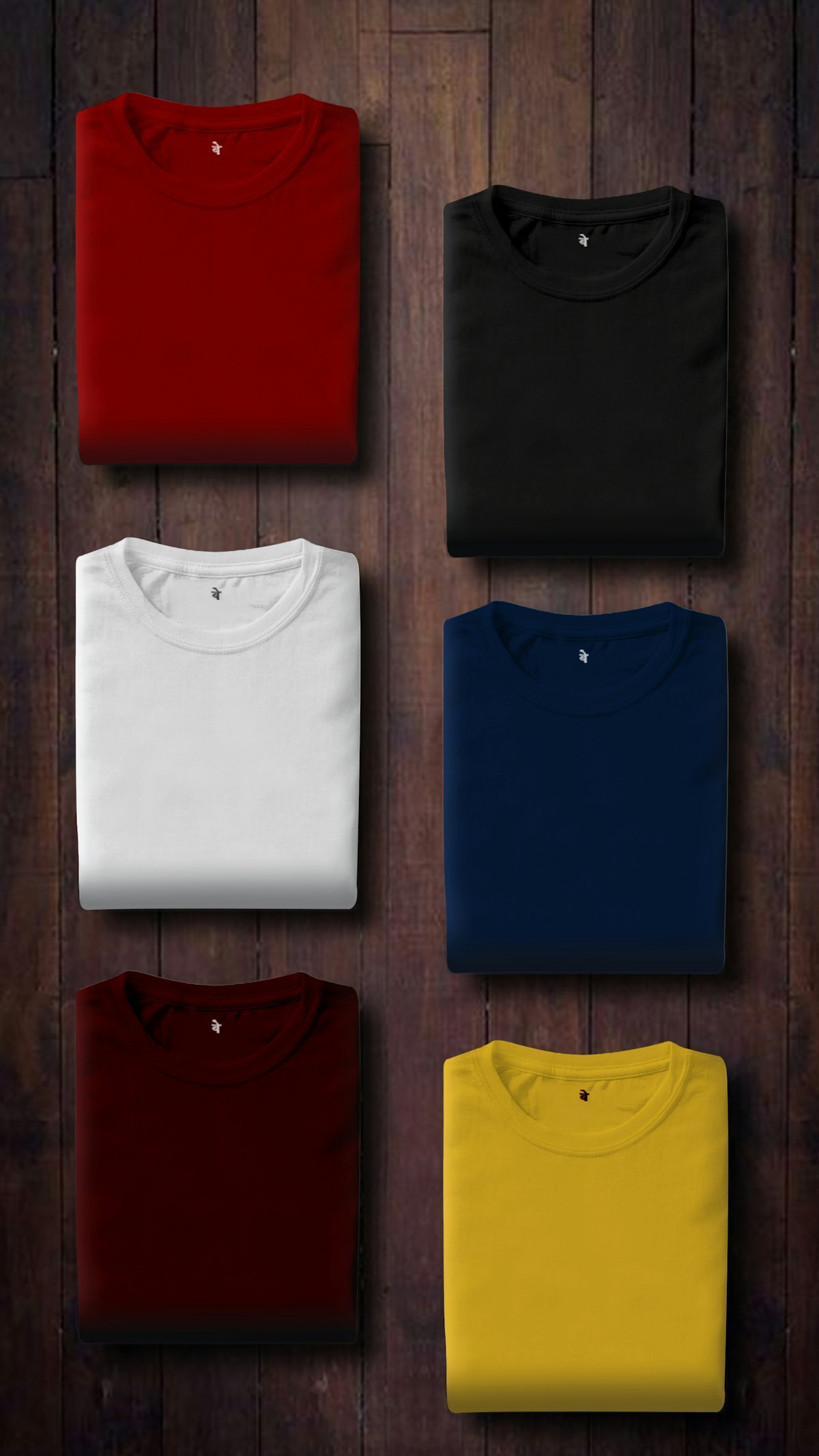
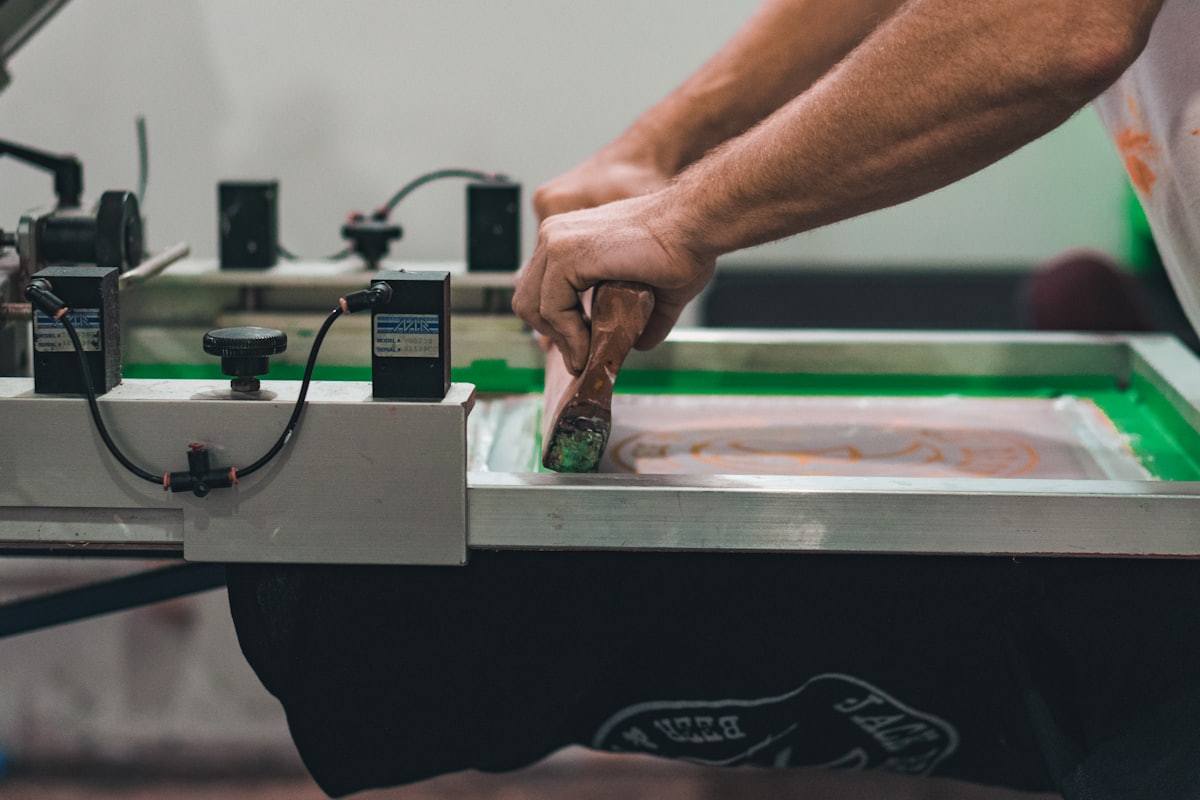
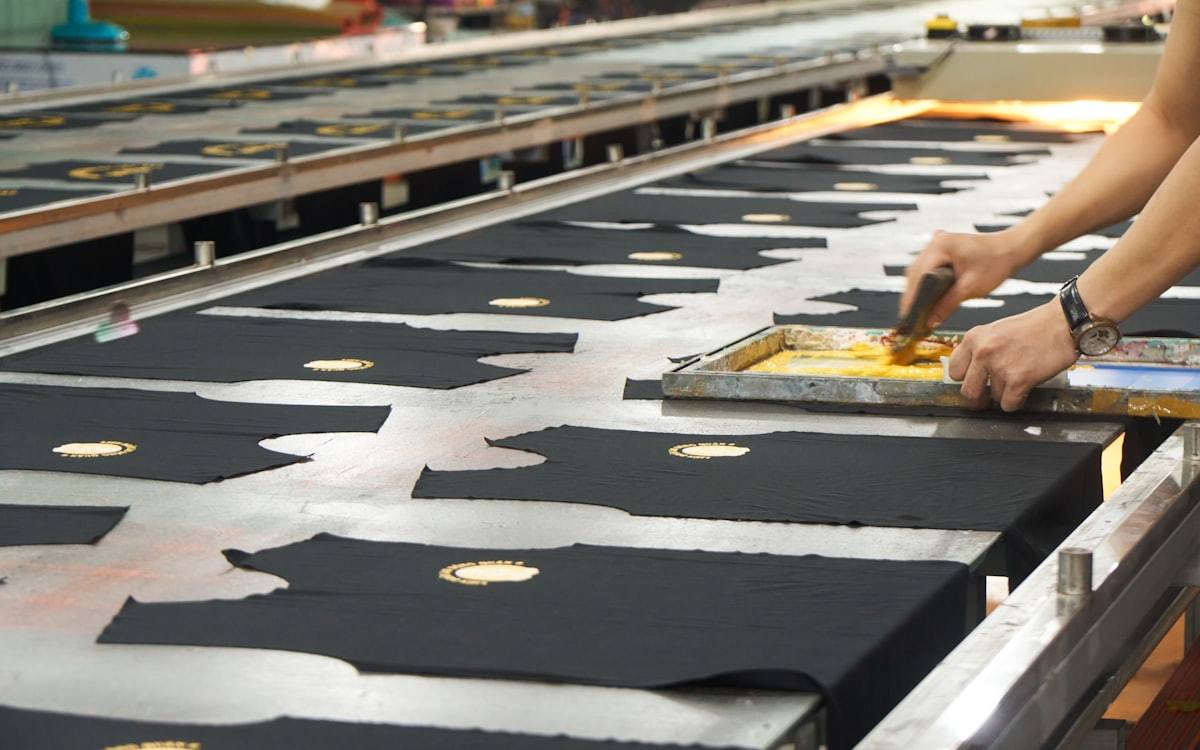
1. Prepare the design file
Send vector artwork when possible, Pantone or color references, exact print size, placement measurements, and logo files for neck labels, hangtags, woven labels, or poly bags. Include a simple tech pack with body length, chest, shoulder, sleeve, tolerance, and preferred fit.
2. Choose fabric and decoration
For streetwear, many brands compare midweight and heavyweight cotton jersey, cotton-poly blends, and washed finishes. Match the decoration to the design: screen printing for larger runs, embroidery for premium logo details, puff print for texture, and DTG for complex artwork at smaller volumes.
3. Plan MOQ and size ratio
Bulk pricing depends on order quantity, fabric availability, color count, decoration complexity, custom trims, packaging, and freight. Build a size ratio from your audience and sales history instead of splitting units evenly across sizes.
4. Approve sample and QC points
Check GSM, shrinkage after wash, colorfastness, stitching, print durability, label accuracy, carton marks, and measurements before bulk production. Care and fiber labeling should be planned early for the target market, because apparel labels are not just decoration.
Example: a 500-piece streetwear drop
A brand ordering 500 oversized graphic tees could ask chanjoye for a 240-280 GSM cotton jersey, a boxy fit, screen print on the chest and back, custom neck label, hangtag, and branded poly bag. A practical size ratio might prioritize M, L, and XL if the collection is designed for an oversized streetwear customer. After the sample is approved, bulk production can follow the signed size chart, artwork position sheet, and packaging standard.